10 Best Innovations in Assistive Mobility Technology for the Future?

Time:2026-06-10 Author:Isabella
0%

In recent years, assistive mobility technology has witnessed groundbreaking innovations. Many advancements are changing lives for individuals with mobility challenges. As we explore the future of assistive mobility technology, we must ask: what is the future of assistive mobility technology?

Developers are creating smarter devices. These innovations include advanced wheelchairs and robotic exoskeletons. Each device aims to enhance personal freedom. For example, some wearables can predict mobility issues before they arise. This proactive approach can help users maintain independence. However, not all innovations have been perfect. Some technologies remain too costly or complicated. This raises questions: Who can afford these devices? Are they accessible enough?

Public perception plays a significant role in technology adoption. Awareness and education can drive acceptance. Yet, barriers still exist. The challenge lies not only in innovation but also in inclusivity. Future advancements must focus on usability and affordability. Improvement is essential for meaningful impact. Addressing these concerns will shape the next era of mobility technology.
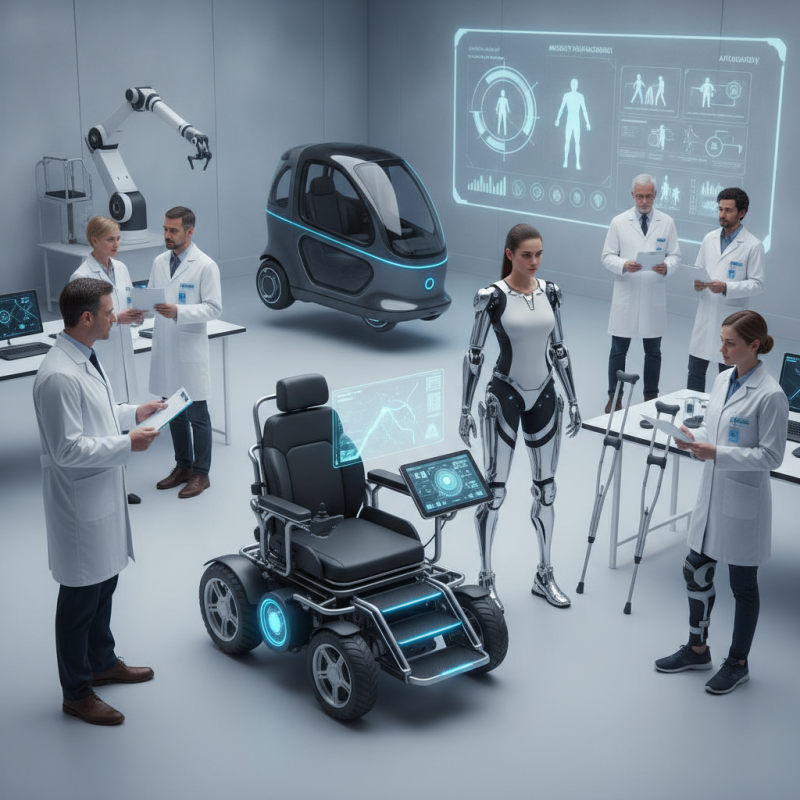
10 Best Innovations in Assistive Mobility Technology for the Future?

Emerging Trends in Assistive Mobility Technology

Emerging trends in assistive mobility technology highlight a shift towards inclusivity and adaptability. The World Health Organization notes that over 1 billion people experience mobility challenges globally. This staggering statistic emphasizes the necessity for innovation. Technologies such as exoskeletons and smart wheelchairs are becoming more user-friendly. They are not just enhancing mobility but also improving independence for users.

Another area of growth is in AI-driven devices. These tools can analyze user behavior and preferences, allowing for personalized mobility experiences. According to a report from the International Telecommunication Union, the market for smart mobility solutions is expected to reach $735 billion by 2025. This data suggests a strong investment in research and development. However, there are still challenges. Accessibility remains an issue, and not everyone can afford these advanced technologies.

Finally, companies are exploring 3D printing for custom mobility aids. This can reduce production costs and tailor products specifically to individual needs. Though promising, the long-term sustainability of these practices is still uncertain. Engaging with diverse user groups can inform better designs. Collectively, these innovations show a path forward, but ongoing reflection on equitable access is crucial.

Revolutionary Wheelchairs: The Future of Mobility Independence

Revolutionary wheelchairs are transforming mobility independence for many individuals. These innovations incorporate advanced technology, enhancing user experience. Smart wheelchairs now feature sensors and AI-driven navigation systems. They can detect obstacles effortlessly, allowing for smoother movements in various environments. Imagine a wheelchair that adapts to different terrains automatically, providing users with confidence and freedom.

Tips for users include: customizing settings for comfort can lead to greater independence. Adjusting seat height and backrest angles based on personal preference can make a difference. Regular maintenance is crucial. A well-maintained wheelchair performs better and lasts longer. Users should learn how to troubleshoot minor issues to avoid being stranded.

Battery life is another vital consideration. Many innovative designs come with longer-lasting batteries. However, users must monitor charge levels and plan trips accordingly. While technology evolves rapidly, it is essential to remain vigilant about safety features. User feedback consistently highlights the need for reliable braking systems. As innovations continue to develop, users should engage with manufacturers, sharing experiences to drive improvement. This dialogue helps shape the future of assistive mobility.

Smart Mobility Aids: Integrating AI for Enhanced User Experience

The future of assistive mobility technology is set to transform user experiences significantly. AI integration is at the forefront of these innovations, enhancing usability for individuals with mobility challenges. According to a report by the International Journal of Assistive Technologies, over 70% of users experience improved mobility when using AI-driven devices. These smart mobility aids analyze user behavior and adapt in real-time, ensuring a personalized experience.

However, the technology is not without its challenges. Accessibility remains an issue. Many users face difficulties in understanding complex interfaces. A survey conducted by Mobility Research Institute revealed that 40% of potential users feel overwhelmed by the learning curve of new mobility devices. This indicates a need for more intuitive designs. Additionally, while AI can provide assistance, it may sometimes misinterpret user commands, leading to frustration.

The integration of wearable technology presents promising avenues for future development. For instance, smart sensors can monitor various health metrics, helping users maintain independence. Still, the accuracy of these devices is sometimes questioned. Some reports indicate a discrepancy of up to 15% in health readings. Continuous refinement is essential for reliability. Users require devices that not only assist but also assure their safety and comfort on the move.

Robotics in Rehabilitation: Exoskeletons for Improved Mobility

Exoskeleton technology is transforming rehabilitation. These wearable devices support individuals with mobility challenges. They enable users to stand, walk, and regain independence. Imagine someone who has been wheelchair-bound for years taking their first steps. Exoskeletons make this possible.


Robotic rehabilitation is not flawless. Challenges include limited battery life and high costs. Many people may not access suitable training or support. Some find the exoskeletons heavy or uncomfortable. The adjustment period can be long for users. These barriers complicate the overall success of such technology in rehabilitation.


Despite these challenges, the potential is immense. Research is ongoing to improve functionality. Engineers are focused on making exoskeletons lighter and more user-friendly. They aim to enhance the user experience. As technology evolves, we anticipate greater accessibility and effectiveness in assistive mobility solutions. These innovations could redefine mobility for countless individuals in the coming years.

Accessible Transportation Solutions: Innovations for All Users

Accessible transportation solutions are crucial for promoting inclusivity. Innovations in assistive mobility technology focus on providing easier access for all users, especially individuals with disabilities. The World Health Organization reports that 15% of the global population has a disability, highlighting the need for better solutions in urban mobility.

Recent studies from the National Institute on Disability, Independent Living, and Rehabilitation Research indicate that accessible transportation can significantly improve independence and quality of life for users. Technologies such as smartphone apps for ride-sharing, automated vehicles, and real-time public transit information are reshaping the landscape. These measures enhance community engagement and mobility convenience.

Tips for enhancing accessibility include ensuring public transit systems are equipped with the latest technologies, like voice-activated services and real-time updates for an improved user experience. Communities can benefit from engaging users in the design process, ensuring solutions address real needs. Small changes can lead to significant impacts, but continued evaluation is necessary to spot gaps in service and effectiveness. Striving for a fully inclusive environment requires ongoing commitment and innovation.

FAQS

: What are emerging trends in assistive mobility technology?

: Trends focus on inclusivity and adaptability. Innovations like exoskeletons and smart wheelchairs improve independence and user experience.

How are AI-driven devices beneficial for mobility?

AI devices analyze user behavior, leading to personalized mobility experiences. They adapt to individual preferences effectively.

What challenges exist in accessing advanced mobility technologies?

High costs and accessibility issues hinder many from accessing advanced tools. Not everyone can afford the latest innovations.

How does 3D printing benefit custom mobility aids?

3D printing can reduce costs and tailor products to individual needs. However, sustainability of this practice is uncertain.

What features make revolutionary wheelchairs unique?

Smart wheelchairs have sensors and AI navigation. They detect obstacles to enhance user confidence in various terrains.

Why is regular maintenance important for wheelchairs?

Proper maintenance ensures better performance and longer lifespan. Users should be proactive about troubleshooting minor issues.

What should users consider regarding battery life in innovative wheelchairs?

Users need to monitor battery levels and plan trips. Longer-lasting batteries are common, but awareness is essential.

What are some common drawbacks of exoskeleton technology?

Challenges include heavy design, limited battery life, and discomfort. Users often face long adjustment periods.

How can feedback improve the future of assistive mobility?

User experiences can guide manufacturers in enhancing design. Ongoing dialogue is vital for future innovations.

What are the future possibilities of robotics in rehabilitation?

Ongoing research aims to improve exoskeleton functionality. Innovations could greatly redefine mobility for many in the future.

Conclusion

The future of assistive mobility technology looks promising, driven by emerging trends that prioritize user independence and accessibility. With revolutionary wheelchairs designed to offer enhanced mobility solutions, users can expect innovations that provide greater freedom and autonomy in their daily lives. Smart mobility aids, powered by artificial intelligence, are set to transform user experiences, making navigation and control more intuitive and responsive.

In addition, advancements in robotics, particularly through the development of exoskeletons, signify a leap forward in rehabilitation, enabling improved mobility for individuals with various physical limitations. Alongside these technological developments, accessible transportation solutions are being designed to accommodate all users, ensuring inclusivity in mobility options. As we explore what is the future of assistive mobility technology, it is clear that these innovations will significantly enhance the quality of life for many, fostering greater independence and integration into society.

Isabella

Isabella

Isabella is a dedicated marketing professional with a sharp focus on driving brand growth and engagement through strategic content creation. With an extensive background in digital marketing, she combines her passion for storytelling with her keen understanding of industry trends to deliver......