How to Choose the Best Mobility Solutions for Rehabilitation?

Time:2026-06-13 Author:Henry
0%

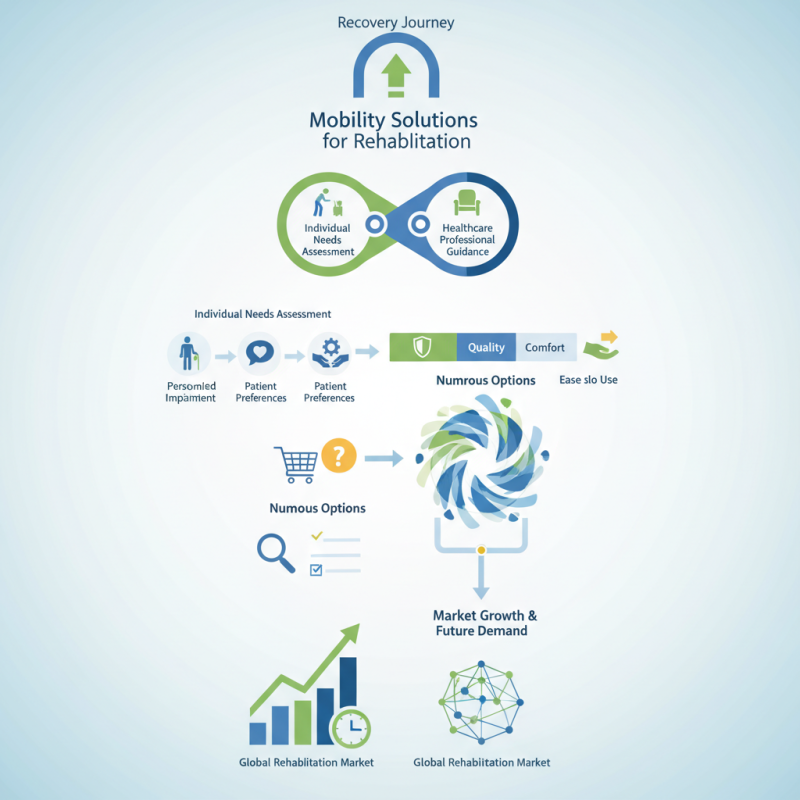
Choosing the right mobility solutions for rehabilitation is crucial for recovery. The global rehabilitation market is projected to reach $23 billion by 2027, according to a report by Grand View Research. This growth indicates a rising demand for effective mobility aids.

Many patients face unique challenges during rehabilitation. Understanding how to choose mobility solutions for rehabilitation requires careful consideration of individual needs. For example, factors like the severity of mobility impairment and patient preferences significantly influence the choice of mobility aids. Healthcare professionals stress the importance of personalized solutions to enhance recovery.

However, making informed decisions is not always straightforward. There are numerous options available, each with distinct features. Research shows that 40% of patients feel overwhelmed when selecting mobility aids. It is essential to evaluate products based on quality, comfort, and ease of use. Engaging with healthcare providers and therapists can help patients navigate this complex landscape.
How to Choose the Best Mobility Solutions for Rehabilitation?

Understanding Mobility Solutions for Rehabilitation

Understanding mobility solutions for rehabilitation is crucial for effective recovery. Various options exist, from simple assistive devices to complex mobility equipment. Patients often require personalized solutions based on their specific needs and conditions. A thorough assessment by healthcare professionals can guide this process. It's essential to consider factors such as stability, ease of use, and adaptability.

Mobility solutions impact independence and quality of life. For some, a walker provides the necessary support to regain confidence in movement. For others, powered wheelchairs may be required. The choice should not only reflect physical requirements but also emotional and psychological aspects. Some individuals might struggle to accept their need for assistance. Encouraging open conversations about these feelings can help build trust and make the transition smoother.

Engaging with professionals who have experience in rehabilitation can offer invaluable insights. Their expertise helps in navigating available options, ensuring that solutions are effective and appropriate. In reality, not every solution will work perfectly for every person. Trial and error can lead to frustration, but persistence is key. Embracing the journey of finding the right mobility solution is part of the rehabilitation process.

Evaluating Different Types of Mobility Devices

When evaluating different types of mobility devices for rehabilitation, several factors come into play. First, it is crucial to understand the individual's specific needs. According to a 2022 report by the World Health Organization, nearly 15% of the world's population experiences some form of disability, highlighting the importance of choosing the right mobility solution. Understanding the user's physical condition, mobility level, and daily activities can guide effective decisions.

Considerations for mobility devices include wheelchairs, walkers, and scooters. Each device serves a unique purpose. Wheelchairs are excellent for users with limited lower-body strength but can also require upper body strength. Walkers provide stability for individuals who can bear weight but need assistance. Scooters offer freedom for those with limited endurance. Each device has its pros and cons, which should be carefully assessed.

Tips:

  • Test different devices for comfort and functionality.
  • Evaluate weight capacity and maneuverability in various environments.
  • Inquire about user reviews from healthcare professionals.

Flexibility in choice is key. Some users may find that their needs evolve over time. A device that once seemed perfect may not serve well later. Regular re-evaluation of mobility solutions ensures ongoing effectiveness for rehabilitation. Embracing change can lead to better outcomes.

Assessing Individual Needs and Rehabilitation Goals

When evaluating mobility solutions for rehabilitation, individual needs are paramount. Every patient has a unique set of disabilities and capabilities. According to a report from the World Health Organization, about 15% of the global population lives with some form of disability. This statistic highlights the importance of tailoring solutions to each individual's situation.

Rehabilitation goals guide the choice of mobility aids. For some, the goal might be to regain full independence, while others may focus on improving daily tasks. A survey by the National Rehabilitation Information Center indicates that 75% of individuals prioritize ease of use in mobility devices. This illustrates the need for ongoing user feedback to refine available solutions, ensuring they meet real-world needs.

Accessibility is another critical factor in mobility solutions. Studies have shown that 80% of patients face challenges in navigating their environment post-injury. These obstacles require careful consideration during the selection process. It is essential to consider the specific environments and daily activities individuals will encounter. Understanding these contexts can lead to more effective rehabilitation outcomes.

Consulting Healthcare Professionals for Recommendations

When selecting mobility solutions for rehabilitation, the insights of healthcare professionals are invaluable. They possess comprehensive knowledge about individual needs and can recommend tailored options. According to a report by the World Health Organization, 15% of the global population has some form of disability, often necessitating mobility aids for recovery. Consulting with specialists can streamline the selection process and ensure the best equipment is chosen.

Healthcare professionals can assess a patient’s unique conditions. Their evaluations consider physical abilities, lifestyle, and personal preferences. A 2022 study highlighted that patients who involve healthcare providers in decision-making report higher satisfaction and better outcomes. Not every solution suits every person, and finding the right one can be challenging.

The landscape of mobility aids is diverse. Some aids may become quickly outdated, while others may not fully accommodate a patient’s evolving needs. Additionally, ongoing support from healthcare professionals ensures that adjustments can be made as rehabilitation progresses. Continuous collaboration fosters a more successful recovery journey, minimizing any potential setbacks.

How to Choose the Best Mobility Solutions for Rehabilitation?

Mobility Solution Recommended For Benefits Considerations
Wheelchair Severe mobility impairments Increased independence, ease of use Weight, maneuverability, and accessibility
Walkers Moderate to mild mobility issues Stability and support while walking Indoor vs. outdoor use, foldability
Canes Mild mobility impairments Lightweight, portable assistance Height adjustment and grip comfort
Scooters Limited mobility and stamina Speed and longer distance travel Storage space and battery life
Lift Chairs Elderly or disabled individuals Ease of standing from a seated position Space requirements and comfort level

Considering Budget and Accessibility Factors in Choices

Choosing the best mobility solutions for rehabilitation requires careful consideration of multiple factors, especially budget and accessibility. Understanding these elements helps ensure that the chosen options meet the needs of the user effectively. Not all mobility devices are created equal, and costs can vary significantly. Aim for quality and suitability over mere affordability.

Tips: Evaluate your funding options. Consider insurance and grants available for mobility aids. Seek community resources that offer support for rehabilitation. Check for local programs that may assist with financing.

Accessibility is equally important. Examine how each option aligns with different living environments. A device may be effective in a clinical setting but inadequate for home use. User experiences can differ widely. What works for one person may not work for another, so it’s essential to test devices.

Tips: Focus on the mobility solutions that offer ease of use. They should accommodate physical limitations without adding strain. Engage with healthcare professionals for valuable insights. Their expertise can guide informed choices and highlight overlooked aspects.

FAQS

: What factors should I consider when choosing a mobility device?

: Consider the individual's specific needs, health condition, mobility level, and daily activities.

What types of mobility devices are available?

Options include wheelchairs, walkers, and scooters, each serving a unique purpose.

How do I know which device is right for me?

Test different devices for comfort and functionality to find the best fit.

Can my needs change over time?

Yes, needs can evolve. Regularly re-evaluate your mobility solutions for effectiveness.

Is budget an important factor in choosing a mobility device?

Absolutely. Assess costs, but prioritize quality and suitability over mere affordability.

What resources can help with financing mobility aids?

Look for insurance options, grants, and local community programs that support rehabilitation.

How important is accessibility in my living environment?

Very. Ensure the device works well in your home, not just in clinical settings.

Should I consult health professionals before choosing a mobility device?

Yes, their expertise can provide valuable insights and highlight overlooked aspects.

How often should I test my mobility device?

Regular testing is essential to adjust to any changes in condition or environment.

What if I feel overwhelmed by the choices?

Take time to reflect. Breaking down options can lead to clearer decisions.

Conclusion

Choosing the right mobility solutions for rehabilitation is crucial for recovery and independence. To understand how to choose mobility solutions for rehabilitation, one should first evaluate the different types of mobility devices available, which can range from wheelchairs and walkers to advanced mobility scooters. Each device has unique features designed to cater to various needs and physical conditions.

Assessing individual requirements and rehabilitation goals plays a vital role in the decision-making process. It is important to consult healthcare professionals for tailored recommendations, as they can provide insights based on the patient's specific circumstances. Additionally, factors such as budget and accessibility should be considered to ensure that the chosen solution is both practical and effective. By taking a comprehensive approach, individuals can find the most suitable mobility solutions to aid their rehabilitation journey.

Henry

Henry

Henry is a dedicated marketing professional with a profound expertise in the company's offerings. With years of experience in the industry, he possesses an impressive understanding of the market dynamics and consumer behaviors that drive success. Henry is committed to sharing his insights through......