How to Effectively Reduce Fall Risks Among Elderly People?

Time:2026-06-01 Author:Mason
0%

As the population of elderly individuals grows, understanding how to reduce the risk of falls for elderly people becomes increasingly vital. Dr. Margaret Chen, an expert in gerontology, states, "Simple modifications can empower seniors and significantly reduce their fall risk." Such insights remind us of the importance of a proactive approach.

Fall risks can arise from various factors, including environmental hazards, health conditions, and mobility issues. Elderly individuals often face challenges that can lead to serious injuries. This reality calls for effective strategies that balance independence with safety. For instance, ensuring proper lighting and removing clutter can transform a living space into a safer environment.

It is essential to acknowledge that not all solutions work for everyone. Individual circumstances vary, and continuous evaluation is necessary. Implementing safety measures without considering personal needs can inadvertently create new challenges for seniors. Thus, a tailored approach is vital to successful fall risk reduction.
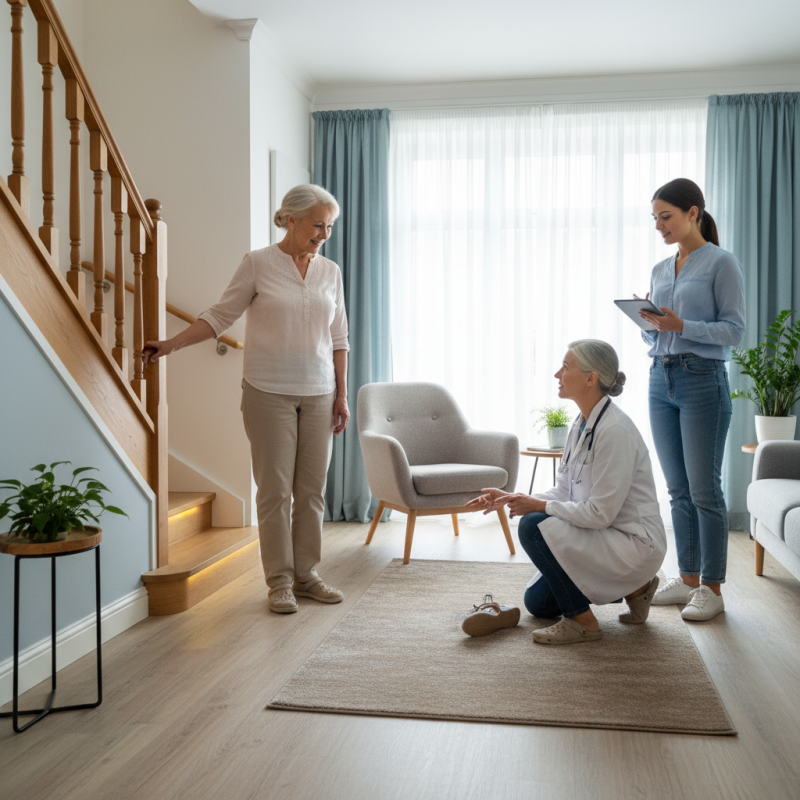
How to Effectively Reduce Fall Risks Among Elderly People?

Understanding Fall Risks in the Elderly Population

Understanding fall risks in the elderly population is crucial. Falls are a major concern for older adults. Studies indicate that one in four seniors falls each year. This statistic is alarming and addresses a pressing health issue. These falls often lead to significant injury, including fractures and head trauma.

Several factors contribute to fall risks. Aging affects balance, vision, and muscle strength. Medications also play a role, as some can cause dizziness or drowsiness. Environmental hazards should not be overlooked. Cluttered walkways, loose rugs, and poor lighting increase the likelihood of falls. Many elderly individuals may underestimate these hazards, thinking they can navigate their surroundings with ease.

Awareness is essential. Family members and caregivers should engage in discussions about fall risks. Identifying potential hazards in the home is vital. Simple changes, like ensuring good lighting and removing obstacles, can make a big difference. It’s important to address fears of falling too. This fear can lead to reduced physical activity, which in turn affects strength and balance. The cycle of fear and inactivity must be broken, creating a safer environment for seniors.

Identifying Common Causes of Falls Among Seniors

Falls are a significant concern for elderly individuals. Understanding the common causes is essential for prevention. Poor vision is a major factor. Many seniors struggle with eyesight, leading to missed obstacles. Uneven surfaces can also pose a threat. Cracks in pavement or thresholds in homes often go unnoticed.

Another common cause is the use of certain medications. Some drugs can cause dizziness or drowsiness. This side effect increases the chance of falling. Muscle weakness and balance issues are frequent in older adults. Regular exercise can help strengthen muscles and improve stability.

Environmental factors play a crucial role too. Cluttered spaces can trip a person easily. Poor lighting makes it hard to see hazards. Even simple solutions, like keeping paths clear and adding brighter bulbs, can make a difference. While these insights are helpful, prevention requires ongoing attention and adjustment. Regular assessments can help identify risks in various settings.

Implementing Home Safety Modifications to Prevent Falls

Home safety modifications are essential in reducing fall risks among elderly people. Simple changes can make a significant difference. Installing grab bars in bathrooms provides stability during bathing. Non-slip mats in the kitchen and bathroom help prevent slips on wet surfaces. Lighting is crucial; bright, even lighting reduces shadows and improves visibility. Make sure stairways are well-lit, with handrails on both sides.

Clutter-free environments are vital for safety. Remove obstacles from hallways and living areas. Keep pathways clear at all times. Consider rearranging furniture to create wider walking spaces. Carpets should be secured or removed to avoid tripping hazards. Regularly check for loose wires and cords. These often go unnoticed but can lead to falls.

Reflecting on these changes can inspire action. Many elderly individuals resist modifications, feeling it signals dependence. However, embracing safety measures empowers them. Encouragement from family members can facilitate this transition. It is important to acknowledge that even small adjustments can significantly enhance safety. Each step taken toward a safer home environment can prevent falls and promote independence.

Encouraging Physical Activity and Balance Training for Seniors

Encouraging physical activity and balance training for seniors is crucial for reducing fall risks. According to the Centers for Disease Control and Prevention (CDC), one in four older adults falls each year. These falls can lead to serious injuries. Engaging in regular physical activity is beneficial. It can improve strength, flexibility, and balance. These factors directly influence stability and coordination.

Community programs focused on active lifestyles show promise. Tai Chi and water aerobics are excellent examples. A study by the National Council on Aging found that seniors participating in exercise programs decreased their fall rates by up to 60%. This highlights the importance of tailored activities. Not every senior enjoys the same exercises. Finding the right fit is essential.

However, some barriers remain. Seniors may face mobility issues or lack encouragement. There's also the fear of falling. Overcoming these challenges requires a supportive environment. Family and caregivers should encourage participation in group activities. Regular assessments by healthcare professionals can provide insight. These steps can create an atmosphere where seniors feel secure to embrace physical activity.

Establishing Regular Health Check-ups to Monitor Fall Risks

Regular health check-ups play a vital role in reducing fall risks for elderly individuals. Monitoring health conditions allows for early detection of issues, such as balance problems or medication side effects. Doctors can provide guidance on exercises that strengthen muscles and improve stability. It's important to personalize these exercises for each person's needs.

Moreover, lifestyle assessments during check-ups can reveal potential hazards at home. Simple changes, like removing rugs or adding grab bars, can make a significant difference. Collaborating with healthcare professionals creates a supportive environment. However, some may hesitate to seek help regularly. They might feel embarrassed about their age or health condition.

Addressing these feelings is crucial. Open discussions about fall risks can lessen the stigma. Education empowers seniors to take charge of their well-being. Even small steps can lead to safer living conditions. Encouraging participation in community programs can also foster a sense of belonging and reduce isolation.

FAQS

: Why are falls a major concern for older adults?

: Falls are a leading cause of injury in seniors. One in four older adults falls each year.

What factors increase fall risks in elderly individuals?

Aging affects balance, vision, and muscle strength. Medications can also cause dizziness.

How do environmental hazards contribute to falls?

Cluttered areas, loose rugs, and poor lighting increase fall likelihood. Many seniors underestimate these risks.

What can family members do to help reduce fall risks?

Discuss fall risks openly and identify hazards at home. Simple changes can create a safer environment.

How important is physical activity for seniors?

Regular physical activity improves strength, flexibility, and balance. It helps prevent falls and improves stability.

What types of activities are beneficial for reducing fall risks?

Activities like Tai Chi and water aerobics work well. They have been shown to reduce fall rates significantly.

What challenges do seniors face in staying active?

Mobility issues and fear of falling can hinder participation. Lack of encouragement is also a barrier.

How can caregivers support seniors in physical activities?

Encourage group activities and provide a supportive environment. Assessments by healthcare professionals can help.

What are the consequences of fear related to falling?

Fear can lead to reduced activity, weakening strength and balance. Overcoming this is essential for safety.

Why might some seniors be hesitant to exercise?

Concerns about mobility and previous experiences can make them reluctant. Support and motivation are key.

Conclusion

Reducing the risk of falls for elderly people is crucial for maintaining their safety and wellbeing. Understanding the various risk factors that contribute to falls in this population, such as environmental hazards and physical health issues, is the first step in prevention. Common causes include slippery floors, inadequate lighting, and certain medical conditions that affect balance.

To effectively mitigate these risks, implementing home safety modifications is essential. This can involve installing grab bars, improving lighting, and decluttering living spaces. Additionally, encouraging regular physical activity and balance training helps strengthen muscles and improve coordination among seniors. Establishing a routine of regular health check-ups allows for the monitoring of any health changes that could increase fall risks. By taking these proactive measures, we can significantly enhance the safety and quality of life for elderly individuals.

Mason

Mason

Mason is a seasoned marketing professional with a deep expertise in the company's offerings and a passion for driving brand awareness. With a strong background in digital marketing strategies, he has an innate ability to connect with diverse audiences and effectively communicate product benefits.......