Enhancing independence for individuals with limited mobility is crucial for their quality of life. Many face challenges that restrict their options, affecting daily activities. Knowing how to improve independence for people with limited mobility can lead to practical solutions for better living.
Adaptive equipment plays a key role in fostering self-sufficiency. Wheelchairs, ramps, and grab bars enable movement without reliance on others. Technology also enhances communication and access, allowing for greater freedom. Yet, not all individuals know about these options. Sometimes, personal preferences and emotional hurdles hold them back.
Empowerment through education is essential. Workshops can teach practical skills and familiarize users with new technologies. Support networks are vital, offering both emotional and logistical assistance. However, barriers still exist, making it necessary for communities to work together to create inclusive environments. This journey is ongoing but worth pursuing for the sake of autonomy and dignity.
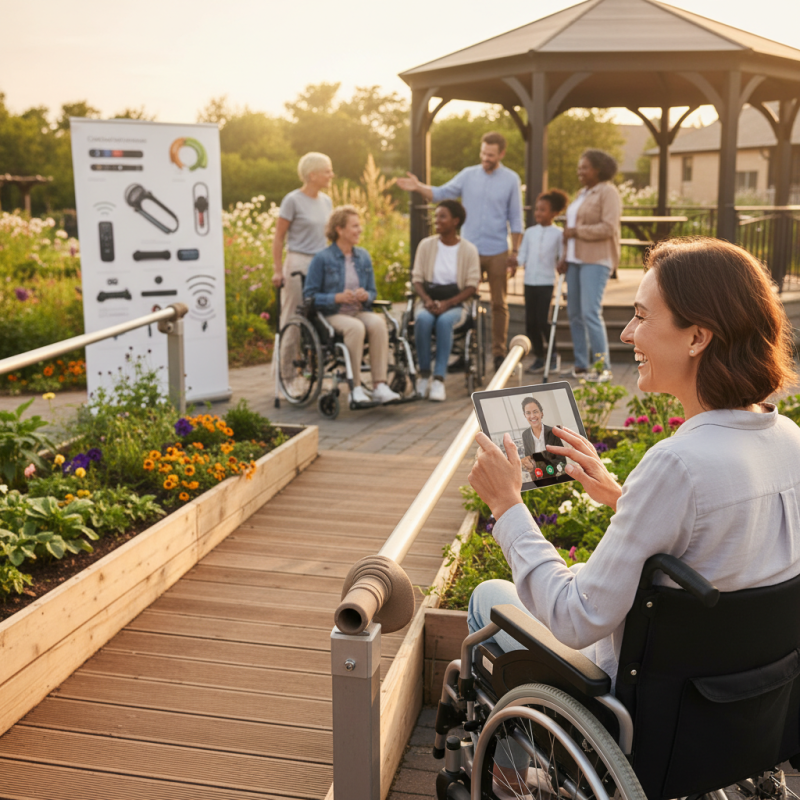
Enhancing mobility independence for individuals with disabilities is crucial. Studies show that nearly 32% of adults with mobility limitations experience significant barriers. These challenges can limit social participation and self-sufficiency.
Creating personalized mobility plans is vital. Assessing individual needs allows for tailored solutions. For example, implementing assistive technology can improve daily tasks. A report from the National Institute on Disability and Rehabilitation Research highlights that mobility aids can increase independence by up to 50%. Yet, not all solutions fit every individual. Some may struggle with adapting to new technologies. This reflects a need for better training and support.
Community programs play a significant role. Accessible public transportation can increase freedom and reduce isolation. Research suggests that cities with improved infrastructure see a 20% rise in active participation among those with mobility issues. However, these programs require ongoing funding and advocacy. Local governments often overlook the importance of sustained investment. Balancing budget constraints with accessibility needs is complex. Engaging in discussions about these issues is necessary for progress.
Assistive technologies play a vital role in enhancing mobility for individuals with limited mobility. These tools can provide a degree of independence that may seem unattainable otherwise. Devices like wheelchairs and walkers greatly improve daily navigation, allowing individuals to move freely in their environments. Simple enhancements, like adaptive seating or customized grips, can make a significant difference.
Innovative technologies, such as smart home devices, can further empower users. Imagine controlling lights or appliances with a voice command. That ability transforms everyday tasks into manageable actions. However, access to these technologies varies widely. Some individuals may struggle to adapt or find what suits their needs best. It's crucial to involve users in the design process, as their feedback is invaluable.
There is a growing need for awareness and education surrounding these tools. Not all assistive devices are created equal, and some may fall short of expectations. Continuous improvement and user-centric designs can bridge these gaps. Active community engagement is also essential. Users should have access to resources and support systems that encourage exploration and experimentation with these technologies.
Creating an environment that supports independent living for individuals with limited mobility is crucial. According to the World Health Organization, around 1 billion people globally experience some form of disability. Simple modifications can greatly enhance their daily lives.
One notable modification is installing ramps and handrails. These features make entering and exiting homes safer and easier. A report from the National Institute on Disability, Independent Living, and Rehabilitation Research highlights that 90% of individuals with limited mobility feel more secure with proper support. Another effective change is repurposing spaces. A well-organized room allows easy access to essential items. Open spaces can reduce the risk of falls.
Lighting plays a vital role too. Bright, even lighting can minimize shadows and obstacles. Experts suggest at least 80 lux in living areas for better visibility. Yet, many homes still lack adequate lighting. Technology integration also offers opportunities. Smart home devices can automate tasks, providing greater control. However, not all individuals have access to these innovations. More efforts are needed to ensure that everyone can enjoy the benefits of environmental modifications.
| Modification Type | Description | Benefits | Estimated Cost |
|---|---|---|---|
| Wheelchair Ramps | Inclined surfaces that provide access to doorways and buildings. | Easier access for wheelchair users, reducing barriers to entry. | $500 - $2,000 |
| Grab Bars | Sturdy bars installed in bathrooms and hallways. | Increased stability and safety while moving. | $50 - $150 per bar |
| Adjustable Kitchen Countertops | Counters that can be raised or lowered. | Allows wheelchair users to easily access workspace. | $1,200 - $3,500 |
| Smart Home Technology | Automated systems for lighting, doors, and appliances. | Enhances convenience and accessibility from a distance. | $500 - $2,500 |
| Wide Doorways | Larger door frames to accommodate wheelchairs. | Improves mobility and access throughout the home. | $1,000 - $3,000 |
Physical therapy plays a crucial role in enhancing the independence of individuals with limited mobility. Specialized techniques can target strength, flexibility, and balance. For instance, resistance exercises improve muscle strength. Using lightweight bands or body weight is effective. Therapists often customize exercises based on individual needs. Patients learn to engage muscles safely and effectively.
Balance training exercises are equally important. Standing on one leg or using balance boards can build core strength. These activities improve overall stability. Many therapists incorporate functional movements. For example, practice getting in and out of a chair. This helps patients regain confidence in daily activities.
However, progress in therapy may take time. Some individuals might feel frustrated by slow improvements. Adapting exercises to fit specific limitations can be challenging. Regular feedback is essential. Adjustments may enhance the outcomes. It's important to understand that every individual's journey is unique. With persistence and the right guidance, independence is achievable.
Accessing community resources is crucial for individuals with limited mobility. These resources can significantly enhance independence. Local organizations often provide tailored support, such as equipment rental and modification services. They may also offer physical therapy programs designed to improve mobility. These interactions foster a sense of community and belonging.
Tips: Explore local non-profits dedicated to mobility issues. They can provide essential services and connections. Reach out to your local government, as they often have valuable resource lists. Utilizing these services can make everyday tasks easier.
Support groups are also invaluable. They provide emotional encouragement and practical advice. Sharing experiences can empower individuals. Sometimes, discussing challenges with others leads to innovative solutions.
Tips: Join online forums or local meetups. Engaging with peers can spark new ideas. Building a network helps in discovering untapped resources. Recognize that seeking help is an important step. This journey may be imperfect, and that's okay.
: Mobility independence is crucial as it enhances social participation and self-sufficiency. Without it, isolation can increase.
Tailored mobility plans assess individual needs, allowing for specific solutions like assistive technology that suits their lifestyle.
Community programs provide accessible public transportation, which can reduce isolation and improve participation in social activities.
Physical therapy techniques target strength, flexibility, and balance, often through customized exercises tailored to each individual's needs.
Progress may be slow and frustrating at times. Regular feedback and adjustments are key to improving outcomes in therapy.
Local organizations offer tailored support like equipment rental and therapy services, fostering a sense of belonging and community.
Support groups offer emotional encouragement and practical advice. Sharing experiences can lead to innovative solutions and empowerment.
Exploring local non-profits and reaching out to government agencies can unveil valuable resources for mobility challenges.
Seeking help is essential in this journey. It’s natural for the process to be imperfect, and asking for support can lead to progress.
Adapting to new technologies can be difficult. Training and support are necessary to help individuals effectively use these solutions.
Enhancing independence for individuals with limited mobility involves a multifaceted approach focusing on strategies and resources tailored to their needs. To improve independence for people with limited mobility, employing assistive technologies can significantly enhance mobility and overall quality of life. These innovations, when integrated into daily routines, empower individuals by providing greater control over their movements.
Additionally, environmental modifications are crucial in creating spaces that support independent living. Simple adjustments can make a significant difference in accessibility and comfort. Coupled with targeted physical therapy techniques, which aim to improve mobility and strength, individuals can regain confidence in their abilities. Lastly, leveraging community resources and support systems can provide essential assistance and encouragement, fostering a sense of belonging and empowerment in the journey toward enhanced independence.

Merlix Chair