Top 10 Environmental Factors Influencing Mobility Device Performance?

Time:2026-07-05 Author:Liam
0%

Mobility devices play a crucial role in supporting the independence of individuals with mobility challenges. However, various environmental factors can significantly impact their performance. Understanding what environmental factors affect mobility device performance is vital for manufacturers and users alike.

Research by the World Health Organization highlights that 1 billion people require assistive devices. This statistic underscores the importance of ensuring these devices function optimally across diverse conditions. Temperature variations, humidity, terrain types, and accessibility features are just a few factors that influence performance. For instance, extreme temperatures can affect battery life and mechanical functions.

Moreover, differences in terrain can challenge wheelchairs and scooters, leading to potential safety hazards. Users often report difficulties navigating uneven sidewalks or curbs. These insights reveal that while technology improves mobility devices, environmental challenges still need attention. Without addressing these factors, the effectiveness of mobility aids may be compromised, affecting users' quality of life.
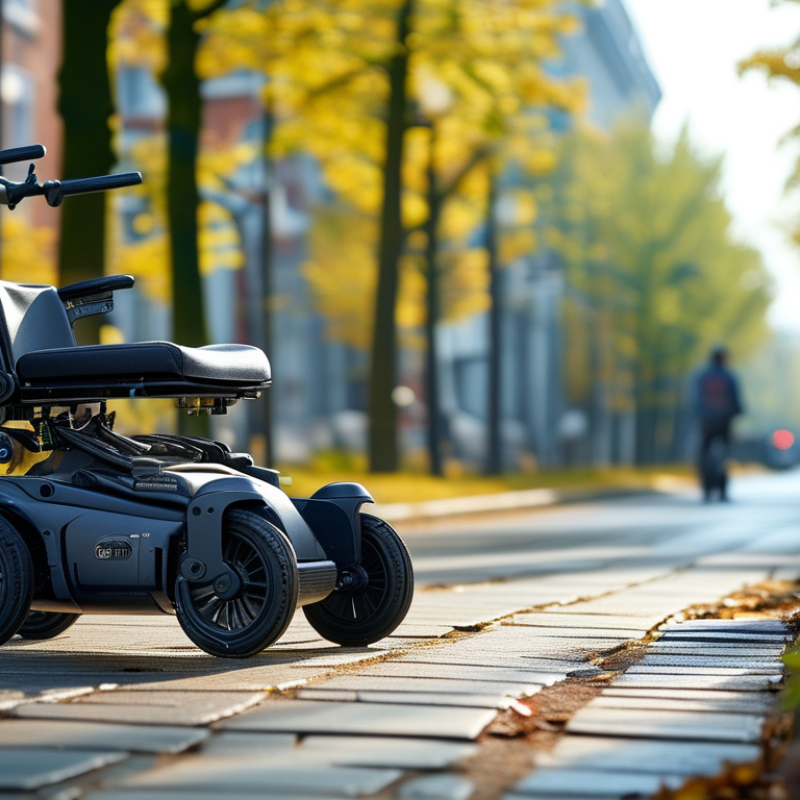
Top 10 Environmental Factors Influencing Mobility Device Performance?

Key Environmental Factors Affecting Mobility Device Battery Life

Temperature plays a significant role in mobility device performance. High temperatures can lead to overheating, reducing battery efficiency. Conversely, cold weather can diminish battery capacity. Users often notice their devices operate inconsistently during extreme conditions. This fluctuation can be frustrating and impact overall mobility.

Humidity is another critical factor. High humidity levels can create corrosion in device components, potentially leading to malfunction. Users may underestimate the effects of moisture on battery longevity. Keeping devices dry is essential. Regular maintenance can help prevent issues arising from environmental exposure.

Altitude affects battery performance as well. At higher altitudes, lower air pressure can reduce battery efficiency. Devices may consume more power to operate, shortening their usable time. Users in mountainous areas should consider these factors when using mobility devices. Understanding these environmental influences can promote better usage and maintenance.

Top 10 Environmental Factors Influencing Mobility Device Performance

Environmental Factor Impact on Performance Battery Life Affected Comments
Temperature Extremes Decreases efficiency Shortens life Optimal range is crucial
Humidity Levels Corrosion risk Can reduce life High humidity can damage components
Altitude Reduced air density Moderate impact Impact varies by device model
Vibration Component loosening Possible reduction Can cause mechanical wear
Dust and Debris Performance hindered Life risk Maintenance is critical
Water Exposure Electrical failure Life significantly impacted Waterproofing measures advised
Electrical Interference Signal disruptions Minimal impact Depends on device circuitry
Operating Surface Tire wear Can affect life Rough surfaces strain performance
Usage Patterns Battery drainage Life reduces with heavy use User habits matter

Impact of Temperature on Mobility Device Mechanical Performance

Temperature plays a crucial role in the performance of mobility devices. Extreme heat or cold can affect the mechanical integrity of materials used in these devices. In warmer conditions, components like tires or batteries may expand, leading to potential failures. Cold temperatures can stiffen materials, reducing flexibility and responsiveness. These factors necessitate careful consideration when using mobility devices in various climates.

Ensuring optimal performance involves simple tips. Regularly check tire pressure in varying temperatures. Underinflation can occur in cold weather, impacting stability. Keep batteries charged, especially in cold climates. Cold can reduce battery efficiency, leading to shortened usage times.

Monitoring the surrounding environment is essential. High humidity can compromise electrical components. Additionally, sudden temperature changes may cause stresses in materials. Users need to understand the limitations of their devices. Awareness about conditions can prevent unexpected breakdowns, helping to maintain safety and efficiency in mobility.

Impact of Temperature on Mobility Device Mechanical Performance

The chart illustrates the impact of varying temperatures on the mechanical performance index of mobility devices. As the temperature increases from -10°C to 20°C, the performance improves significantly. However, performance starts to decline again at 30°C and 40°C, indicating an optimal temperature range for operation.

Role of Terrain and Surface Conditions in Mobility Device Efficiency

When considering the performance of mobility devices, terrain and surface conditions play a crucial role. Uneven ground, steep hills, or loose gravel can impact the efficiency of these devices. For instance, navigating a grassy park differs vastly from maneuvering on a smooth pavement. Users must account for these variations when selecting a device.

While some terrains demand higher energy and skill, others may limit mobility devices altogether. Ramps and curbs present additional challenges, affecting both speed and safety. Regularly inspecting your device’s tires and wheels can help optimize performance on different surfaces. Using wider tires offers better stability on softer ground.

Tip: Test your device on various surfaces before daily use. Understanding how your mobility device reacts can greatly enhance your mobility experience. Patience and practice can lead to improved skill in challenging environments.

Effects of Humidity and Moisture on Mobility Device Functionality

Humidity and moisture play significant roles in the performance of mobility devices. High humidity levels can adversely affect electronic components. Reports indicate that over 60% of mobility device malfunctions stem from moisture-related issues. Water can lead to corrosion, impacting battery life and overall functionality.

Devices often struggle in conditions with high humidity. Rubber seals and coatings may degrade, reducing the device's ability to resist water ingress. A study found that prolonged exposure to moisture can decrease battery efficiency by up to 30%. Users frequently report sluggish performance or even total failure during wet conditions.

However, it's essential to consider that not all mobility devices are equally affected. Some models have better moisture resistance. The variability among devices highlights the need for proper maintenance and user awareness. Individuals must maintain their devices in optimal conditions, especially in humid environments. Regular inspections and prompt maintenance can prevent long-term damage.

Influence of Weather Conditions on User Comfort and Safety with Mobility Devices

Weather conditions significantly influence the performance of mobility devices. Rain, snow, and ice can make surfaces slippery and reduce traction. Users may feel uncomfortable and unsafe when navigating these conditions. Wind can also be a concern, particularly for electric wheelchairs, which may struggle against strong gusts. Overall, adverse weather impacts both mobility and user confidence.

Tips for safe mobility in poor weather include keeping your device well-maintained. Regularly check tires or wheels for wear. Ensure brakes are functioning effectively to prevent accidents. Consider using weatherproof covers for added protection during rain or snow.

Visibility is crucial during adverse conditions. Wearing bright colors enhances your presence on the road. Carrying a flashlight can also help others see you. Reflective materials on your mobility device can be useful too. Each of these factors can substantially improve your safety. Remember to adjust your route as necessary, avoiding particularly treacherous areas.

FAQS

: How does temperature affect mobility devices?

: Extreme temperatures can impact mechanical integrity. Heat causes materials to expand, while cold can stiffen them.

What should I check in cold weather?

Regularly check tire pressure. Cold can lead to underinflation, affecting stability and performance.

How do I maintain battery efficiency in winter?

Keep batteries charged in cold climates. Cold temperatures can reduce battery performance and usage time.

What is the effect of humidity on mobility devices?

High humidity can harm electronic components. Over 60% of device malfunctions are due to moisture issues.

How does moisture impact battery life?

Prolonged exposure to moisture can reduce battery efficiency by up to 30%. This can lead to sluggish performance.

Are all mobility devices equally affected by weather?

No, some models resist moisture better than others. Maintenance can enhance performance in challenging conditions.

What causes device failure in wet conditions?

Water exposure can cause corrosion. This impacts battery life and overall functionality, leading to possible failures.

How can users prevent long-term damage?

Regular inspections and maintenance help maintain optimal conditions. Awareness of environment limits is also crucial.

Why is monitoring the environment important?

Sudden temperature or humidity changes can stress materials. Users need to recognize device limitations for safety.

Can I ignore moisture-related issues?

No. Ignoring these can lead to severe malfunctions and reduced device longevity. Regular care is necessary.

Conclusion

The performance of mobility devices is significantly influenced by various environmental factors. Key elements include battery life, with conditions such as temperature directly impacting how long a device can operate. Extreme temperatures can affect the mechanical performance of these devices, leading to potential inefficiencies in their operation. Additionally, the type of terrain and surface conditions plays a crucial role in determining the efficiency of mobility devices, as rough or uneven surfaces can hinder movement and stability.

Moreover, humidity and moisture levels can affect the functionality of mobility devices, potentially leading to malfunctions or decreased performance. Weather conditions, including rain or snow, not only impact the device's operational capabilities but also influence user comfort and safety. Understanding what environmental factors affect mobility device performance is essential for users to enhance their mobility experience and ensure safety and reliability in various conditions.

Liam

Liam

Liam is a dedicated marketing professional with a profound expertise in the industry, where he excels at highlighting the unique advantages of our core products. With a keen understanding of market trends and consumer needs, Liam frequently updates our company’s professional blog, providing......