Accessibility is a vital aspect of design, impacting daily life for many individuals. Understanding how to improve accessibility in homes and public spaces is essential for creating inclusive environments. These spaces should cater to everyone, from families with young children to individuals with disabilities.
Many people feel overwhelmed when considering accessibility features. It can be hard to know where to begin. However, making small changes can lead to significant improvements. Thoughtful modifications can enhance safety and convenience. A well-planned space can promote independence for all users.
Creating accessible spaces requires a dedicated approach. Professionals with expertise in accessibility can offer valuable insights. Engaging with communities is crucial to identifying needs. We must recognize that accessibility is an ongoing journey. Continuously seeking feedback allows for better solutions over time. Let’s explore the top ten ways to achieve this important goal.
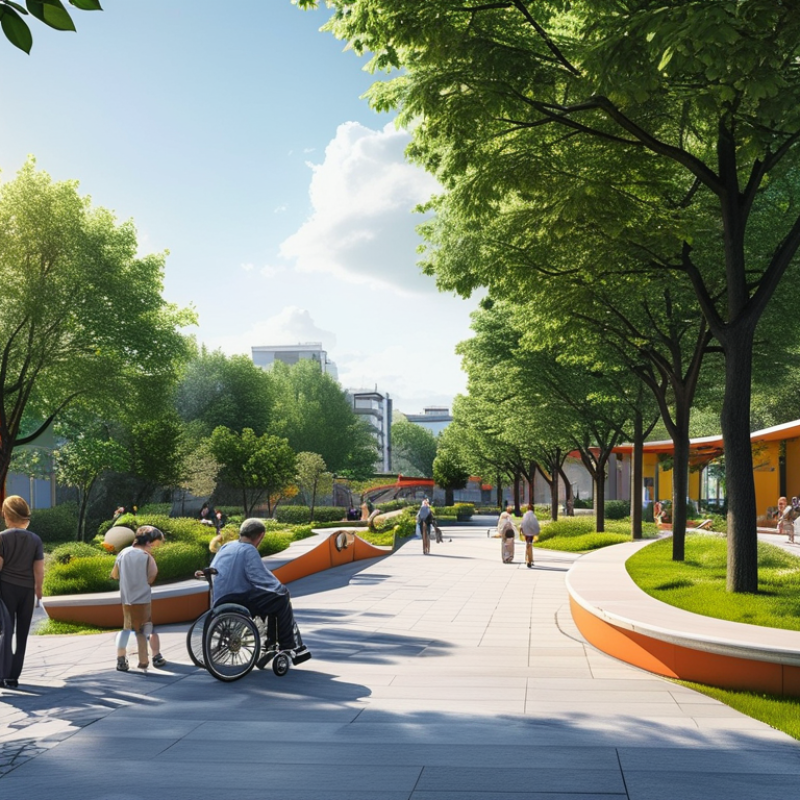
Accessibility in environments means creating spaces that everyone can use. This includes individuals with disabilities, the elderly, and families with young children. According to a 2021 report by the World Health Organization, over 1 billion people experience some form of disability. Recognizing this, improving accessibility is not only a legal obligation but a moral one. Accessible environments foster inclusion, equal opportunities, and enhance the quality of life.
Research from the U.S. Census Bureau reveals that about 13% of the U.S. population lives with disabilities. Yet, many public spaces and homes lack basic accessibility features. For instance, only 32% of public facilities offer wheelchair access. This highlights a gap where many feel excluded. It’s essential to implement ramps, wider doorways, and clear signage. Small changes like tactile paving can significantly aid navigation for visually impaired individuals.
While trends in accessibility are improving, challenges remain. Many older buildings are not retrofitted for accessibility, and funding can be a barrier. Local governments often struggle to comply with the Americans with Disabilities Act (ADA). By prioritizing accessibility, we create environments that truly serve diverse populations. This requires ongoing assessment and commitment to inclusivity.
Accessibility in homes and public spaces is often overlooked. Many buildings fail to meet basic standards. This lack of proper planning creates barriers for individuals with disabilities. Observing current standards reveals significant gaps. For instance, doorways may be too narrow for wheelchairs. Furthermore, public restrooms often lack adequate facilities for accessibility.
In many homes, steps are the norm. This can exclude individuals with mobility challenges. Ramps are essential, yet often absent from residential designs. Visibility is another issue. Poor lighting can make navigation difficult for all. Evaluating these areas shows a critical need for improvement. Awareness of accessibility needs is still lagging behind in many communities.
Communities should actively engage in discussions about these standards. Input from individuals with disabilities is vital for meaningful change. Collaboration can lead to better designs that serve everyone. By assessing current accessibility standards, we can identify what works and what doesn’t. There's always room for enhancement. Real solutions must come from understanding actual needs, not just regulations.
Implementing universal design principles is vital for creating inclusive spaces. These guidelines ensure accessibility for everyone, including the elderly and those with disabilities. According to a report by the World Health Organization, nearly 15% of the global population experiences some form of disability. This statistic highlights the urgent need for adaptive environments in both homes and public spaces.
Key elements of universal design include flexibility in use and straightforward navigation. For example, lever-style door handles are easier to operate for individuals with limited hand strength. In contrast, traditional knobs can be challenging. A 2020 study found that 70% of users preferred spaces designed with universal principles. Furthermore, proper signage that uses symbols and easy-to-read fonts can significantly aid those with cognitive impairments.
Despite progress, many built environments still lack adequate accessibility features. Inaccessible buildings can isolate people, limiting social participation. A review from the National Institute on Disability, Independent Living, and Rehabilitation Research found that barriers remain prevalent in urban settings. Thus, continuous evaluation and improvement are essential for truly inclusive designs.
| Method | Description | Benefits |
|---|---|---|
| Wheelchair Ramps | Install ramps at entrances and exits to provide access for wheelchair users. | Improves access for those with mobility challenges. |
| Visible Signage | Use clear, high-contrast signage to help people navigate spaces. | Enhances navigation for visually impaired individuals. |
| Adjustable Furniture | Incorporate adjustable desks and chairs for better comfort. | Supports various user heights and abilities. |
| Wide Doorways | Create doorways that accommodate mobility devices. | Facilitates access for wheelchair users and caregivers. |
| Smart Home Technology | Use voice-activated and remote-controlled devices. | Increases independence for individuals with disabilities. |
| Accessible Restrooms | Design restrooms with grab bars and wider stalls. | Promotes usability for all individuals. |
| Lowered Appliance Heights | Install appliances at accessible heights in kitchens and laundry areas. | Eases use for individuals with limited reach. |
| Textured Pathways | Create pathways with different textures for navigation. | Assists visually impaired individuals in orientation. |
| Emergency Alerts | Ensure emergency systems are accessible and inclusive. | Provides equal safety measures for all individuals. |
| Community Feedback | Engage communities in discussions about accessibility needs. | Ensures that solutions meet actual user needs. |
Technology plays a crucial role in enhancing accessibility features in both homes and public spaces. Smart home devices can significantly improve the daily experiences of individuals with disabilities. For instance, voice-activated assistants allow users to control lighting and appliances hands-free. This is particularly beneficial for those with mobility challenges. Furthermore, apps designed for navigation use GPS technology to help users find the most accessible routes, reducing the stress of traversing unfamiliar places.
Another example is the integration of automated door openers. These devices enable easier entry for people who use wheelchairs or walkers. Installing adjustable countertops and cabinets can help individuals with varying heights or mobility levels access essential items with ease. However, while technology offers numerous solutions, not all systems are user-friendly. Complicated interfaces can create barriers instead of solutions. Ongoing feedback from users is essential to ensure these technologies meet their needs effectively. Emphasizing simplicity and ease of use can make a significant difference in improving accessibility for everyone.
Creating accessible environments requires active community engagement. Many communities still lack awareness of accessibility issues. According to a 2021 report by the American Community Survey, 8.1% of the U.S. population has a disability. This statistic highlights the urgent need for improved accessibility in both homes and public spaces.
Community-driven initiatives can enhance awareness. Engaging local organizations can bring diverse voices to the table. Hosting workshops invites people with disabilities to share their experiences. This engagement fosters dialogue about specific accessibility needs. Simple changes, like ramps or clearer signage, can make a difference.
Reports indicate that when communities collaborate on accessibility improvements, overall public support increases. A study from the Rehabilitation Research and Training Center revealed that inclusive design benefits everyone. It noted that 70% of participants reported feeling more connected to their communities after accessibility initiatives were implemented. These insights remind us that addressing accessibility is not just about compliance; it’s about building inclusive communities.
: Many buildings fail to meet basic standards, creating barriers for those with disabilities.
Steps are common, and ramps are often absent, making mobility challenging for some individuals.
Doorways that are too narrow can prevent wheelchair access and limit movement for those with mobility aids.
Community discussions include diverse voices and help identify specific needs for better designs and solutions.
Many communities still lack knowledge about disability needs, which hinders effective improvements in accessibility.
Simple changes, like adding ramps or clearer signage, can significantly improve navigation and usability for everyone.
They enhance awareness, increase public support, and foster a sense of connection among community members.
Hosting workshops allows individuals with disabilities to share their experiences and needs, fostering important dialogue.
Poor lighting complicates navigation, making it difficult for individuals to move safely in public spaces.
Understanding actual needs, rather than merely focusing on regulations, is crucial for meaningful change.
Improving accessibility in homes and public spaces is crucial to creating inclusive environments that serve everyone. Understanding the definition and significance of accessibility lays the foundation for assessing current standards in various settings. By implementing universal design principles, we can transform spaces to be more welcoming for individuals with diverse needs. Additionally, the integration of technology plays a vital role in enhancing accessibility features, making it easier for anyone to navigate their surroundings.
Moreover, promoting community engagement and raising awareness about accessibility improvements can drive meaningful change. By educating the public on how to improve accessibility in homes and public spaces, we foster a culture of inclusivity that benefits all. As communities work together to address these challenges, we can create environments that are truly accessible for everyone.

Merlix Chair