Mobility devices play a crucial role in enhancing independence for many individuals. They help people navigate their environments with confidence. However, these devices require proper care to ensure longevity. Many users wonder how to extend the lifespan of mobility devices. Knowing the right techniques is essential for maintaining their functionality.
Wear and tear is a natural part of using mobility devices. Regular maintenance can significantly impact their durability. Understanding the components of your device is key. Not all mobility aids are created equal. Each type might require different care routines. Factors like daily usage and environmental conditions can also influence a device's longevity.
Users often overlook simple practices that can prevent premature aging. It's important to be mindful of how these devices are used daily. Small adjustments and routine checks can make a big difference. Investing time in care and repair can foster a deeper relationship with your device. Ultimately, adopting proactive measures leads to better outcomes. Users should continuously reflect on their usage habits for improvement.
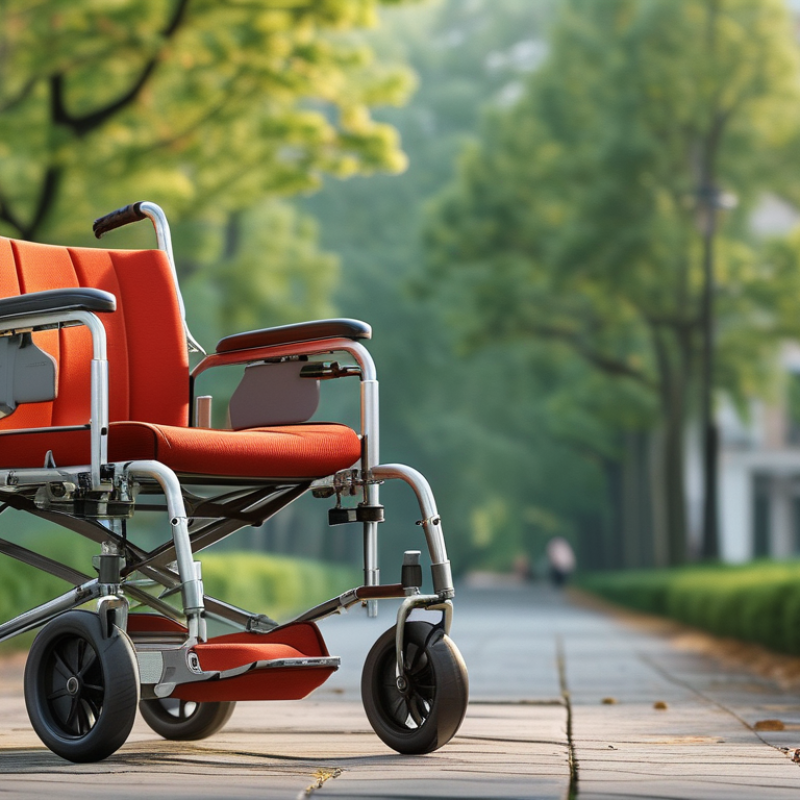
Understanding Mobility Devices and Their Lifespan
Mobility devices play a crucial role in enhancing the quality of life for individuals with mobility challenges. These devices range from wheelchairs to scooters, each designed to provide support and independence. According to industry reports, proper care can extend their lifespan significantly, often by several years. Understanding the specific components and materials of these devices is essential for optimal maintenance.
Regular inspections are vital in ensuring mobility devices function effectively. Knowing which parts are prone to wear can prevent costly repairs. For example, batteries in electric scooters often require replacement every 1-2 years, depending on usage and care. Additionally, maintaining tires and brakes enhances safety and performance. Over time, neglecting minor issues can lead to more significant failures, highlighting the need for attentive upkeep.
When it comes to lifespan statistics, mobility devices typically last between five to ten years, depending on usage and maintenance. Users often overlook the importance of regular servicing. A study indicates that 50% of users do not perform routine checks, which can lead to reduced efficacy. Encouraging proactive care is key, as many users may not acknowledge the signs of wear until a breakdown occurs.
Regular Maintenance Practices for Mobility Devices
Regular maintenance is essential for enhancing the lifespan of mobility devices. Check the battery often. Ensure it’s fully charged and functioning. A failing battery can lead to unexpected breakdowns. Cleaning the device regularly is also crucial. Dust and debris can cause wear over time. Use a soft cloth and appropriate cleaners.
Inspect wheels and tires routinely. Look for wear and tear. Replace any damaged parts to prevent accidents. Lubricate moving parts to ensure smooth operation. This simple step reduces friction and extends the device’s life. Check brakes frequently. They are vital for safety. If they feel loose or unresponsive, address it immediately.
Lastly, pay attention to user manuals. They provide specific guidelines for care. Ignoring them may lead to costly repairs. Reach out to professionals if needed. Regular check-ups can catch issues early. Aim for safety and reliability in maintenance practices for your mobility device.
Choosing the Right Environment for Your Mobility Device
Choosing the right environment for your mobility device is crucial for its longevity. A study by the National Institute on Disability, Independent Living, and Rehabilitation Research highlights that devices used in optimal surroundings can last significantly longer. For instance, avoiding humidity can prevent rust and damage to electronic components.
Consider the surface you travel on. Rough terrain can accelerate wear and tear. A report from the Rehabilitation Engineering and Assistive Technology Society indicates that mobility devices exposed to uneven surfaces have a 30% higher failure rate. Regular maintenance checks are essential. The more care you put into your device, the better it performs over time.
Temperature also impacts performance. Keeping your device in a temperature-controlled space can enhance its lifespan. Extreme cold or heat can reduce battery efficiency, as noted by the U.S. Department of Energy. Keeping these factors in mind can make a significant difference. Even minor adjustments in how and where you use your mobility device lead to better experiences and results.
Signs of Wear and When to Seek Professional Help
Mobility devices are crucial for many, but they can wear down over time. Recognizing the signs of wear is essential. Look for unusual noises or a feeling of instability when using the device. If the wheels are uneven or the brakes don’t engage smoothly, that’s a red flag. Also, inspect the battery life if it's electric. A noticeable decline in performance happens when the battery fails.
Professional help is necessary if you notice any of these signs. It might seem tempting to delay repairs or changes, but this can lead to accidents. Regular check-ups can prevent complications. If your device feels heavier or harder to maneuver, it’s time to consult an expert. Getting a second opinion can also be valuable. This proactive approach ensures safety and preserves the functionality of your mobility aid.
Upgrading and Modifying Mobility Devices for Longevity
Upgrading and modifying mobility devices can significantly enhance their longevity. A study by the National Institute on Disability, Independent Living, and Rehabilitation Research indicates that proper maintenance increases device lifespan by 25% on average. Simple upgrades, like advanced battery systems, can improve efficiency. This ensures that users can rely on their devices longer.
Regular inspections often uncover potential issues early. Addressing these can prevent costly repairs down the line. Specialized parts, like reinforced frames or improved braking systems, can also enhance safety. These modifications tend to increase user confidence, which is crucial for mobility device users. Research shows that user satisfaction rises by 30% when devices meet personalized needs.
However, the challenge lies in the balance between functionality and cost. Upgrading may require an initial investment that some users find overwhelming. It's essential to weigh the long-term benefits against immediate expenses. Thoughtful modifications can elevate a device from merely functional to genuinely empowering. Adjustments should not be seen as mere luxuries but as necessary steps to prolong a device's life while enhancing user experience.
10 Tips to Extend the Lifespan of Mobility Devices
| Tip Number |
Tip Description |
Expected Benefit |
| 1 |
Regular Maintenance Checks |
Ensures optimal performance and early detection of issues. |
| 2 |
Proper Cleaning Techniques |
Maintains hygiene and prevents buildup of debris that can cause damage. |
| 3 |
Battery Care and Management |
Prolongs battery life and ensures reliable operation. |
| 4 |
Upgrading Components for Modern Technology |
Enhances functionality and keeps devices up-to-date. |
| 5 |
Supportive Accessories |
Improves comfort and reduces wear on the device. |
| 6 |
Regular Software Updates |
Fixes bugs and enhances security of the device. |
| 7 |
Using Safe Storage Practices |
Prevents physical damage when not in use. |
| 8 |
User Training on Proper Use |
Reduces the risk of accidents and damage from misuse. |
| 9 |
Environmental Considerations |
Protects the device from extreme conditions that can cause wear. |
| 10 |
Consulting Professionals Regularly |
Provides expert insight and maintenance support. |
Conclusion
In the quest to learn how to extend the lifespan of mobility devices, understanding the intricacies of each device is crucial. Regular maintenance practices, such as cleaning, lubricating moving parts, and checking battery health, can significantly enhance durability. Moreover, selecting the appropriate environment for use, such as avoiding extreme temperatures and rough terrains, plays a vital role in maintaining device integrity.
Recognizing signs of wear and tear is also essential; when issues arise, seeking professional help can prevent further deterioration. Additionally, upgrading and modifying mobility devices can contribute to their longevity, ensuring they remain functional and safe. By following these guidelines, users can effectively prolong the service life of their mobility aids, ultimately improving their mobility experience.

 Merlix Chair