Top 10 Innovative Mobility Solutions Manufacturer & Factory

Driving Clinical Independence & Industrial Engineering Excellence Worldwide

10+

Years Engineering Excellence

50+

Global Export Markets

100%

ISO & CE Certification

24/7

Technical & OEM Support

Global Mobility Solutions: Commercial Realities & Strategic Outlook

A comprehensive study on industry dynamics, clinical demands, and technical progress in assistive patient-care hardware.

1. The Macro Economics of Assistive Health Infrastructures

The global healthcare environment is facing an unprecedented transformation. According to demographic projections from the World Health Organization, the population aged 60 and older will double to 2.1 billion by 2050. This shift is placing immense pressure on healthcare infrastructure, driving the transition toward advanced assistive mobility technologies. Innovative mobility solutions are no longer basic mechanical aids; they are complex biomedical systems engineered to prevent secondary injuries, reduce caregiver strain, and speed up clinical recovery.

For B2B procurement agencies, hospital systems, and global distributors, choosing a manufacturer with deep engineering capacity is key. The demand has shifted from simple manual wheelchairs to intelligent, multi-functional sit-to-stand lifters, biofeedback gait training systems, and digitized diagnostic equipment. These solutions reduce hospital stays and improve patient independence, directly boosting the financial performance of healthcare facilities.
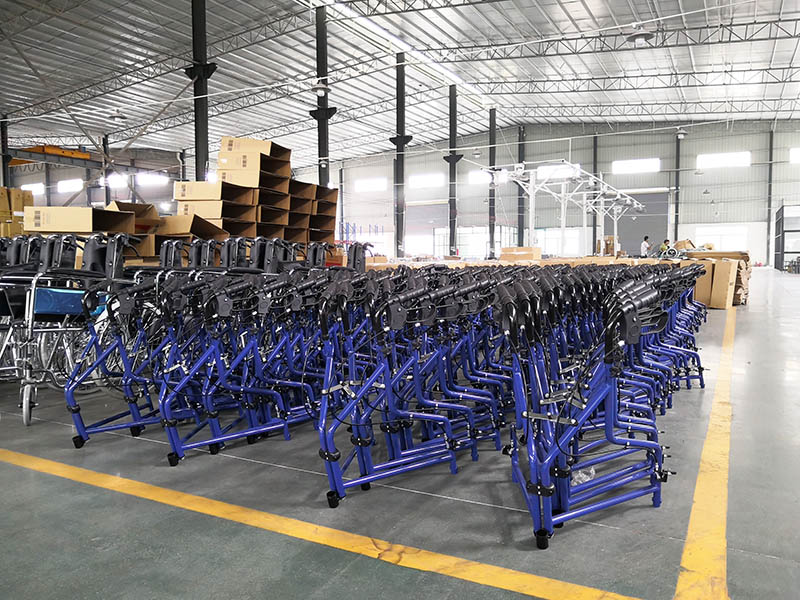
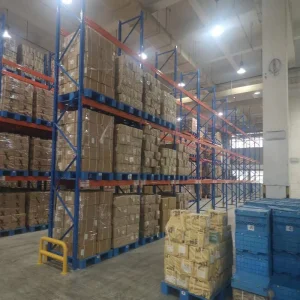
Dongguan Merlix Chair Co. Production Line Quality Inspections

"Innovative mobility solutions bridge the gap between clinical intent and patient execution. Our research and development focuses on the bio-mechanical alignment of transfer lifts and assistive walking systems to ensure maximum physiological benefit with zero risk." — Engineering Directorate, Dongguan Merlix Chair Co., Ltd.

2. The Dongguan Manufacturing Advantage: High Efficiency, Integrated Ecosystems, and Quality Control

Dongguan, China, is widely recognized as a global manufacturing hub. It offers significant advantages for producing medical devices and mobility products. Unlike isolated production units elsewhere, the manufacturing ecosystem in Dongguan provides deep supply chain integration. Raw material sourcing, precision metallurgical processes, advanced electronics, and specialized surface treatment facilities are all located within close proximity. This geographic density ensures that manufacturers like Dongguan Merlix Chair Co., Ltd. can maintain cost efficiency while upholding high technical standards.

Our factory operates with a strict quality control (QC) system that spans from raw material inspection to final product verification. Raw steel and aluminum alloys undergo rigorous tensile strength and metallurgical integrity testing before entering production. Our advanced tube-bending and robotic welding systems ensure precise dimensional accuracy. For our electric components (such as actuators and control modules used in sit-to-stand patient lifts), each batch is tested under loaded stress scenarios for over 10,000 continuous cycles. This ensures reliability and compliance with strict FDA, CE, and SFDA regulations.

ISO & CE Certified

Fully compliant with international medical device standards. Our products meet ISO 13485 regulations, ensuring structural safety and reliable performance.

Advanced Engineering

Our experienced engineering team focuses on ergonomic customization, high-grade materials, and smart mechanical integrations.

Seamless Customization

From frame dimensions to electrical integrations, we offer comprehensive OEM/ODM solutions tailored to your market's needs.
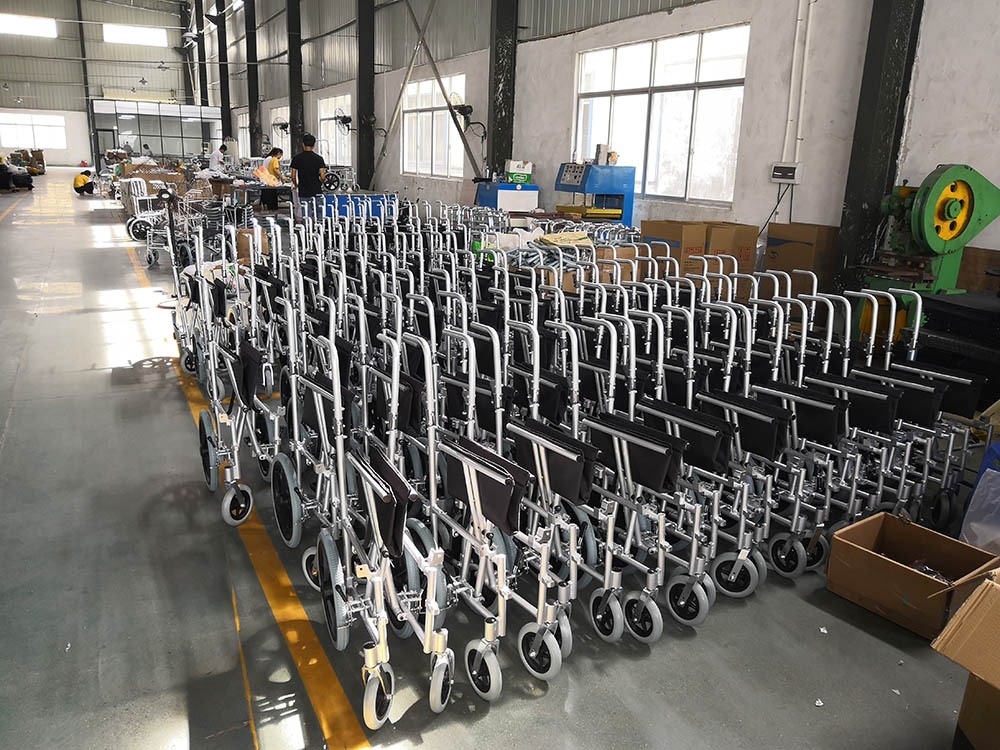
Merlix Factory Quality Control and Assembly Showroom

3. Key Application Scenarios & Localized Sourcing Needs

Smart mobility solutions are used in various environments, each with its own set of requirements:

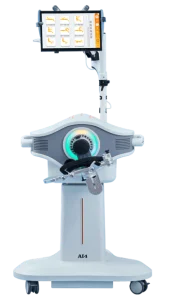
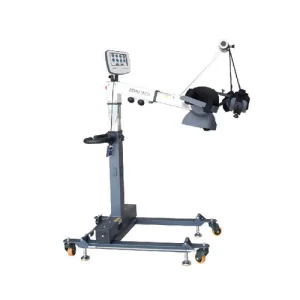
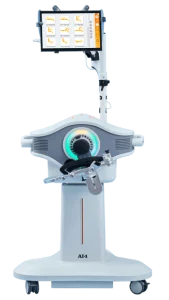
  • Clinical Rehabilitation Facilities: High-performance equipment like gait training systems and lower limb therapy platforms are essential. These devices require adjustable tension, precise biofeedback, and safe patient support. They help clinicians guide stroke and post-op patients through safe recovery protocols.
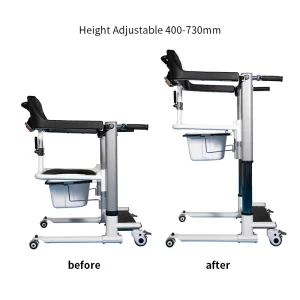
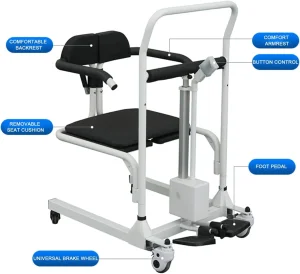
  • Long-Term Nursing Homes: Reliability and ease of use are the main focus here. Electric sit-to-stand lifts and transfer aids reduce manual lifting. This helps protect nursing staff from back injuries and ensures patients are moved safely and with dignity.
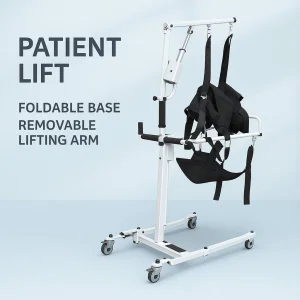
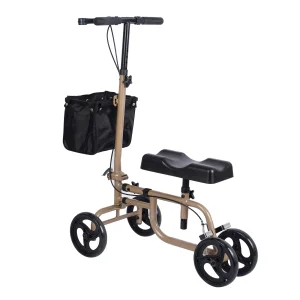
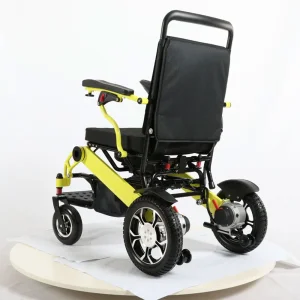
  • Home Healthcare (B2C & B2B2C): Homecare equipment needs to be compact and easy to store. Walkers, knee scooters, and foldable patient lifts must feature lightweight frames, tool-free assembly, and reliable safety locks for home use.
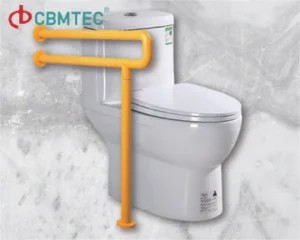
  • Bathroom & Wet Room Safety: Water-resistant, non-slip equipment is critical in high-risk areas. Rust-resistant aluminum frames, non-slip textured surfaces, and secure support armrests prevent slips and falls in residential and clinical bathrooms.

4. Strategic Trends Shaping the Future of Mobility Solutions

The mobility and rehabilitation market is evolving rapidly. We track several key developments:

  • Smart Electronic Integration: Patient lifts are incorporating diagnostic telemetry, load-sensing systems, and battery health indicators. These features make it easier to monitor device status and track patient data.
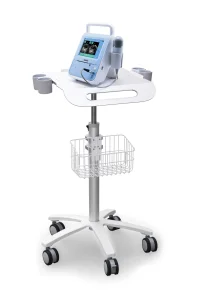
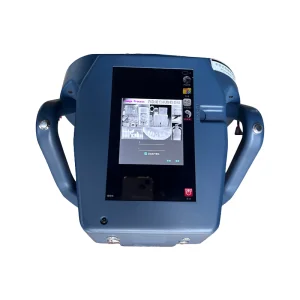
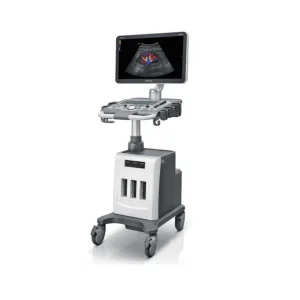
  • Diagnostic and Therapeutic Synergy: Combining diagnostic tools (such as portable ultrasound and bladder scanners) with mobility aids allows for immediate patient assessment during therapy, helping to track recovery progress in real time.
  • Eco-Friendly Manufacturing: There is a growing demand for sustainable production. Utilizing recycled alloy materials and eco-friendly powder coatings helps minimize environmental impact without sacrificing strength or durability.
  • Advanced Lightweight Composites: Using advanced carbon fiber and high-tensile alloys helps reduce overall device weight, making equipment easier for both caregivers and patients to manage.

Expert Insights: Technical & Purchasing FAQ

Expert answers addressing regulatory, design, and supply chain questions for institutional buyers.

Q1: What compliance and regulatory certifications do Dongguan Merlix products carry?
Our manufacturing plant is certified under ISO 13485 (Medical Devices Quality Management Systems). The majority of our products carry CE declarations of conformity and are registered with the SFDA. This makes them fully eligible for import and distribution in highly regulated medical markets globally.
Q2: Can we customize mechanical dimensions or electric motor specifications for regional markets?
Yes. We have an in-house engineering and R&D team that specializes in custom modifications. We can adjust frame configurations, load limits, control units, and actuator systems to meet local specifications, such as varying voltage and plug standards.
Q3: How does Dongguan Merlix ensure structural safety and product durability?
We employ a strict quality control process that begins with material verification. Raw steel and aluminum alloys undergo tensile testing before entering the production floor. Our automated welding and precision bending equipment ensure consistent structure, while dynamic fatigue testing simulates long-term clinical use to confirm load-bearing safety.
Q4: What is the typical lead time for custom container-level OEM/ODM orders?
Standard OEM production runs are typically completed within 30 to 45 days, depending on design complexity. Custom tooling, custom frame designs, or specific electrical component sourcing can take 15 to 20 days of additional engineering work.
Q5: Do you provide diagnostic equipment compatibility training?
Yes, we provide comprehensive technical documentation, video training, and digital manuals for all our specialized items, including our diagnostic ultrasound machines, bladder scanners, and medical imaging devices. This support helps your technical staff manage installation, calibration, and maintenance smoothly.