Explore our premium selection of medical-grade mobility convenience systems and assistive healthcare solutions, custom-engineered for global institutional procurement.
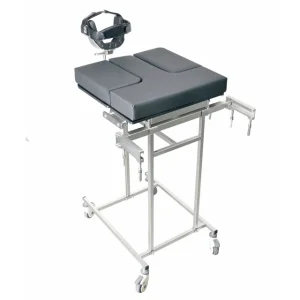
The global landscape of rehabilitation engineering and daily living aids is undergoing a massive paradigm shift. Driven by an unprecedented demographic aging trajectory—where the World Health Organization estimates that the global population aged 60 and older will double to 2.1 billion by 2050—the demand for advanced Mobility Convenience Devices is transitioning from static mechanical aids to highly integrated, active, and bio-compatible systems.
Modern B2B procurers are no longer merely seeking simple mobility aids. Today's commercial, clinical, and homecare ecosystems require comprehensive architectural integrations. The inclusion of complex pneumatic recovery structures, smart environmental interfaces, active air monitoring, and automated safety systems marks a new standard in rehabilitation engineering. For institutions, this shift ensures improved resident independence, minimized patient transfer injuries, and optimized operational workflows.
"True mobility convenience goes beyond simple physical transport; it encompasses environmental stability, physical rehabilitation, and ergonomic automation designed to restore human dignity."
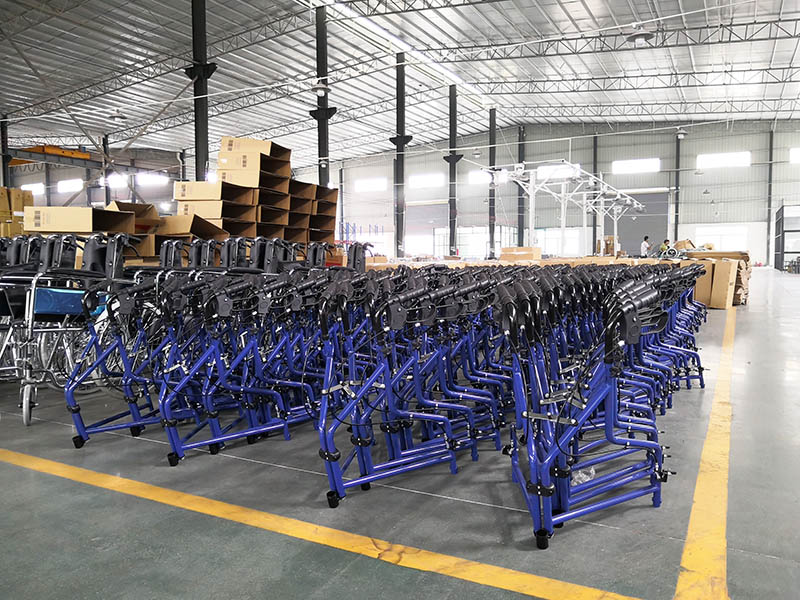
Understanding the complexities of global distribution networks, compliance mandates, and customization pipelines in the DME (Durable Medical Equipment) industry.
Global medical distributors face immense friction navigating FDA, CE, and SFDA compliance pathways. Importers require manufacturing partners that hold validated certifications and maintain detailed documentation for raw material tracking, load test protocols, and biocompatibility audits.
Standardized, out-of-the-box equipment rarely addresses localized clinical environments or specific structural adaptations. Suppliers must offer dedicated engineering teams to adjust dimensions, weight capacities, materials, control modules, and mechanical mechanisms dynamically.
Unpredictable transit, raw material shortages, and fragmented manufacturing operations heavily disrupt delivery schedules. Working with vertically integrated Chinese factories guarantees reliable delivery dates and stable price structures through domestic supply ecosystem control.
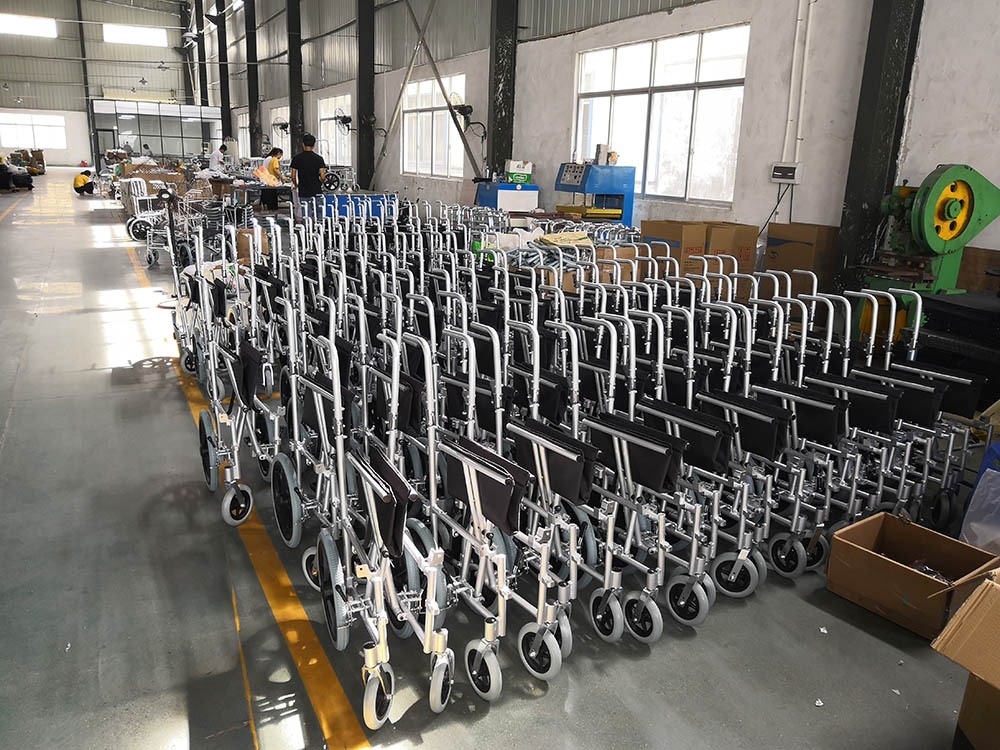
As a global hub for precision manufacturing, Dongguan offers unmatched industrial synergy. Dongguan Merlix Chair Co., Ltd. stands at the forefront of this manufacturing evolution, leveraging a highly integrated raw material network, advanced computerized control, and strict mechanical testing.
From the raw high-tensile steel tubing and medical-grade polymers to advanced electronic motors and hydraulic actuators, our supply chain ensures absolute consistency. By deploying automated CNC pipe cutting, robotic welding machines, and standardized anti-microbial powder coating lines, we maintain optimal dimensional accuracy across high-volume production runs.
Furthermore, our quality control management process enforces strict audits at every production milestone:
How high-performance mobility and specialty equipment adapt to clinical settings, homecare programs, post-op spaces, and industrial workflows.
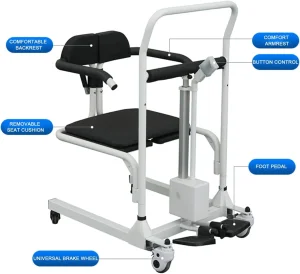
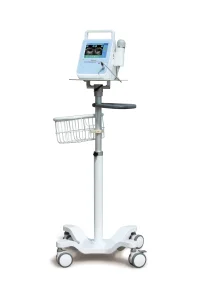
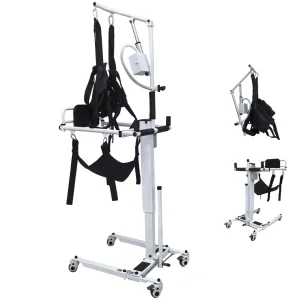
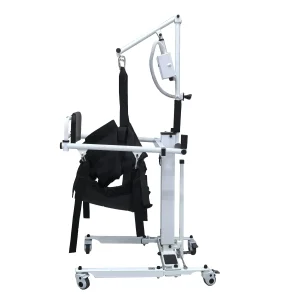
In institutional settings, patient transfer remains the highest contributor to caregiver lower-back injuries. Leveraging tools like the Electric Patient Lift Transfer Machine and Electric Patient Transfer Lift Chair optimizes safety and streamlines daily operations. Integrating automated diagnostic elements like Bladder Scanners into geriatric workflows allows clinicians to minimize catheterization rates, improving resident wellbeing and clinical outcomes.
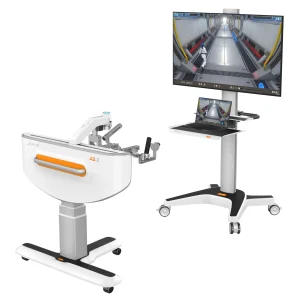
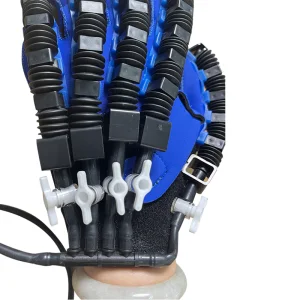
Neurological disorders like stroke and hemiplegia demand active, repeatable, and safe movement therapies. Equipment like Passive Active Training Devices and Upper Limb Rehab Devices are essential tools to support neuroplasticity. Additionally, in orthopedic surgery suites, devices like the Shoulder Positioning Board ensure optimal patient stabilization during delicate arthroscopic procedures.
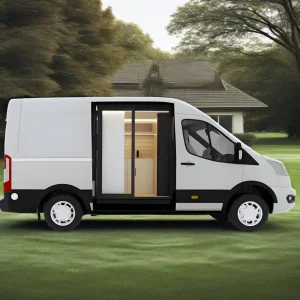
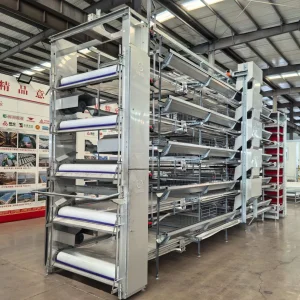
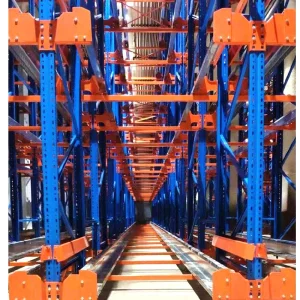
Industrial and logistical infrastructures also require advanced automation to streamline operational workflows. The integration of Automatic Stacker Crane Radio Shuttle Systems in cold chain storage optimizes floor footprints and warehouse density. Meanwhile, custom structural conversions like the Sprinter Van Camping Solution enable custom mobility options, allowing travelers to maintain independence while exploring remote areas.
Essential answers on quality assurance, custom manufacturing, logistics, and regulatory compliance protocols.
Our manufacturing and exporting processes are fully certified under ISO quality systems. Our primary clinical and homecare products hold CE and SFDA registrations, validating their design, safety, and operational reliability. Testing documentation, including structural stress analysis and chemical composition reports, is available upon request for institutional compliance checks.
We feature an in-house engineering and R&D department that specializes in custom modifications. Whether you require customized frame profiles, upgraded electrical motors, unique control interfaces, or bespoke branding, our team works with your drawings or physical samples to deliver a functional prototype, followed by a pilot production run for testing and validation.
For standard catalogue configurations, production ranges between 30 to 45 days after deposit confirmation and sample approval. Customized OEM requests may extend this timeline by 10 to 15 days, allowing for tooling adjustments, component validation, and quality verification. Punctual delivery schedules are detailed within our contractual agreements.
We choose high-strength materials, such as aviation-grade aluminum alloys and premium steel framing, to construct all patient handling structures. Mechanical elements, including our patient lifts and transfer chairs, undergo extensive load cycles and fatigue testing. This ensures durable performance in demanding environments like hospitals and physical therapy centers.
Located in Dongguan, our facility is strategically positioned near major maritime ports in Shenzhen, Guangzhou, and Hong Kong. This simplifies the logistics process, offering flexible shipping options, reduced transport times, and optimized shipping costs. Our experienced export team handles all customs clearance documents, facilitating a smooth transit to your destination port.
Review our advanced rehabilitation, medical diagnostics, and industrial warehousing equipment, designed to optimize facility safety and operational performance.
 Merlix Chair