Expert healthcare equipment engineered by Dongguan Merlix Chair Co., Ltd., driving zero-injury protocols for clinicians and recovery-focused mobility for patients globally.
In modern healthcare facility management, implementing robust Safe Patient Handling Systems (SPHS) is no longer an optional safety protocol—it is a critical compliance mandate and a fundamental component of patient care quality. Manual patient handling is widely recognized as the primary driver of occupational musculoskeletal disorders (MSDs) among nursing staff, physical therapists, and clinical caregivers. By integrating scientifically validated mechanical lift solutions, medical facilities significantly reduce caregiver strain, prevent secondary injuries during patient transfers, and accelerate rehabilitation cycles.
As a leading Chinese designer, manufacturer, and global exporter certified by ISO, CE, and SFDA, Dongguan Merlix Chair Co., Ltd. delivers high-precision clinical products that balance safety, ergonomic integrity, and operational ease. Our comprehensive product spectrum bridges the gap between active orthopedic rehabilitation systems and everyday passive patient positioning, assuring compliance with international ergonomic mandates.
Engineered to mitigate risk, optimize biomechanical posture, and streamline daily patient mobilization protocols.
Analyzing key global transitions from manual lifting practices to integrated, automated rehabilitation ecosystems.
Historically, patient transfers relied extensively on the raw physical strength of nursing staff. This approach often resulted in high injury rates, spinal degeneration among caregivers, and increased patient discomfort. Over the past two decades, advanced clinical studies, coupled with advocacy from organizations such as the American Nurses Association (ANA) and OSHA, have led to the wide adoption of **"Zero-Lift" policies**. These regulations mandate that mechanical equipment or assistive aids must replace manual lifting whenever feasible.
Modern clinical settings require patient handling systems that serve dual functions: ensuring immediate structural safety during transfers and actively promoting patient rehabilitation. Emerging trends indicate a strong transition towards:
Key quality indicators and structural benchmarks for institutional healthcare equipment sourcing.
Medical procurement teams prioritize products holding verified medical certifications. Equipment must meet strict design and safety standards, including ISO 13485, CE MDR, and FDA registrations, to guarantee safety in clinical environments.
High-use environments like hospitals require structural longevity. Framing materials must consist of high-strength alloys (such as surgical-grade aluminum or reinforced structural steel) that withstand industrial disinfectants without corroding.
Devices must be intuitive to minimize onboarding times. Incorporating design elements like quick-release mechanisms, tool-free assembly, and dual-sided entry options reduces physical strain and helps optimize clinical workflows.
Connecting long-term mobility assistance, neuro-rehabilitation, and acute clinical support under a unified safety umbrella.
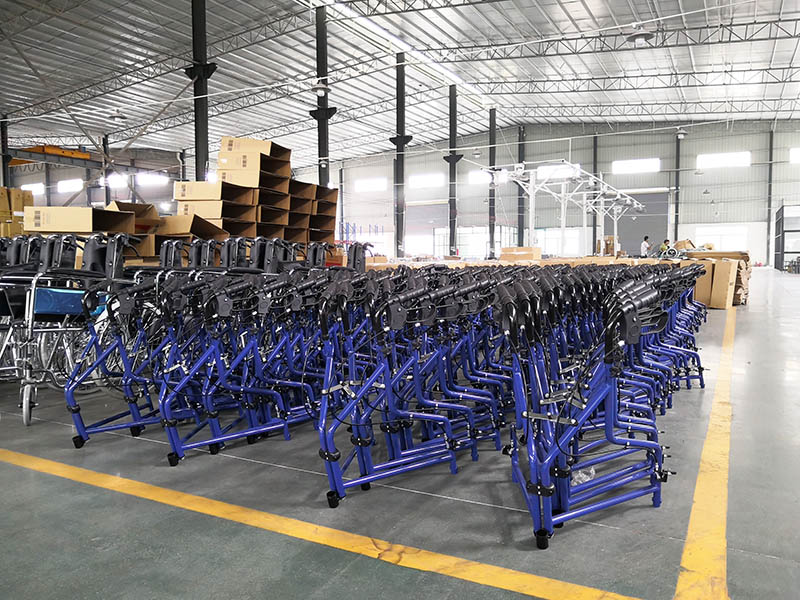
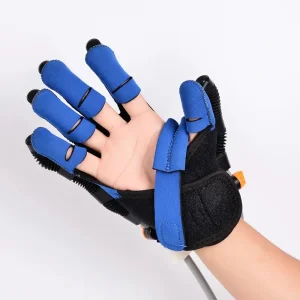
Our solutions target the full care continuum. For post-stroke patient care, we bridge early clinical mobility using our Reliable Walking Therapy Systems and specialized upper-limb devices, such as the Stroke Hand Recovery Robot Gloves. This combination helps patients rebuild neurological pathways through repetitive active-assist therapy.
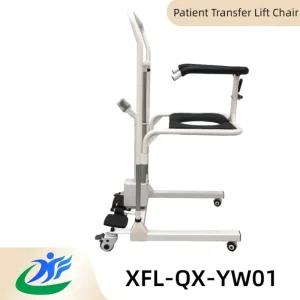
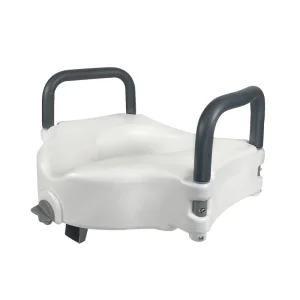
For daily transfer needs, our product line integrates portable transfer commodes with medical-grade raised toilet seats. This integration ensures a safe, consistent transfer path from bed to bath, minimizing slip-and-fall risks in wet, high-hazard zones.
Navigating varying regional compliance standards, custom import regulations, and after-sales support frameworks.
Dongguan Merlix Chair Co., Ltd. serves a diverse, worldwide customer base by engineering products that conform to regional safety directives. Whether you are exporting to the EU under CE MDR, distributing in East Asia under local SFDA rules, or importing into North American channels, our product engineering documentation is designed for streamlined customs clearance and regulatory approval.
Furthermore, our dedicated engineering division supports custom OEM/ODM modifications. We assist global clients with localization needs, including adapting physical dimensions, integrating regional power specifications for electric actuators, and customizing labeling to match local regulatory standards.
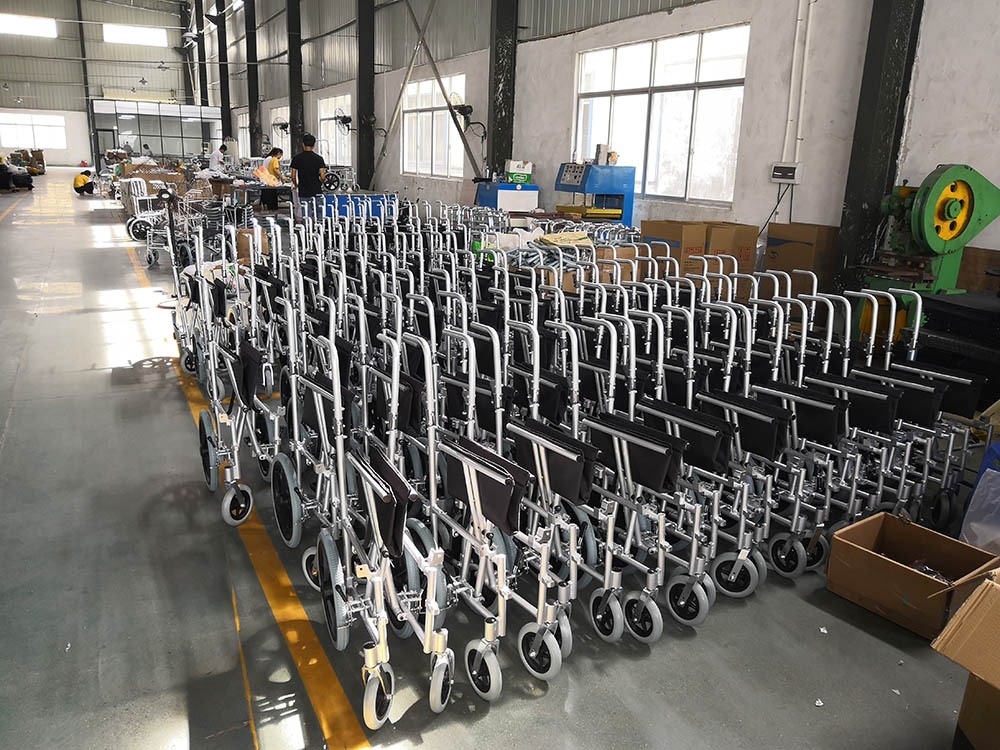
"From the date we established, we keep committing to high quality and comfortable products. By adopting the strict production management & QC control procedure from the incoming raw material to finished products, we may offer the products in excellent quality and reliable & punctual delivery time for you."
A strategic vision of emerging technological developments in rehabilitation robotics and automated transfer systems.
Delivering high-performance, compliant, and durable solutions for hospitals, care homes, and commercial rehabilitation centers.
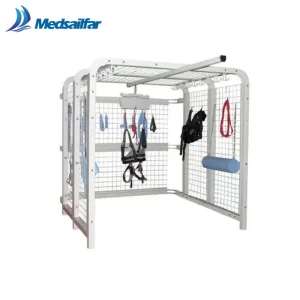
Detailed answers to key operational, compliance, and supply chain queries from medical distributors and procurement managers.
 Merlix Chair