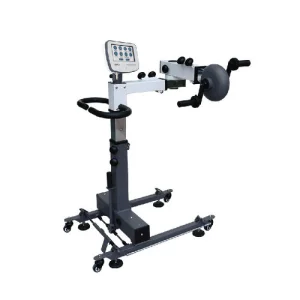
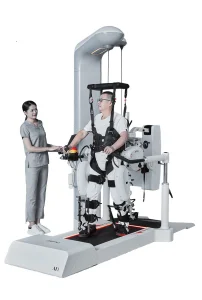
Highly adapted for medical centers, clinical wards, and specialized recovery units in Malabo, Bata, and regional health hubs.
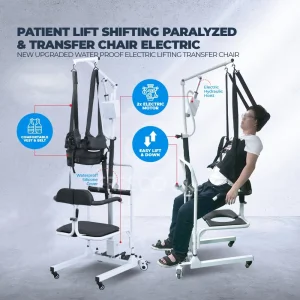
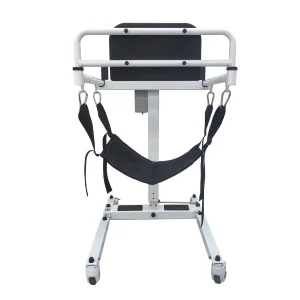
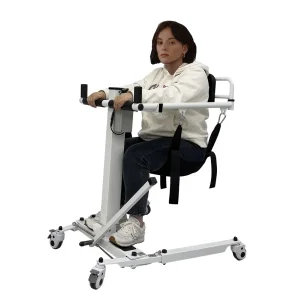
Understanding the transition from basic clinical care to high-standard physiological rehabilitation across Malabo and Bata.
With life expectancy rising in Equatorial Guinea, clinical systems in regions like Bioko Norte and Litoral are experiencing an unprecedented surge in geriatric care demand. Managing post-stroke hemiplegia, neurological degeneration, and musculoskeletal deterioration requires advanced assist technologies that minimize caregiver stress while empowering patients.
Hospitals such as the Hospital General de Malabo and the regional medical hubs in Bata are transitioning toward specialized rehabilitation programs. The reliance on manual, high-impact patient handling is giving way to ergonomic mechanical lifts, electric transfer mechanisms, and precision gait feedback devices to prevent clinical injuries and speed up patient turnover.
Equatorial Guinea’s unique maritime tropical climate presents environmental challenges. Rehabilitation gear must feature anti-corrosive finishes, robust aluminum, carbon fiber, or high-grade magnesium alloys, and humidity-sealed electrical systems (IPX4 rating or higher) to avoid premature degradation in bi-coastal regions.
Historically, the Central African Economic and Monetary Community (CEMAC) sub-region has relied on fragmented imports of secondary medical aids. Today, under modern procurement policies, there is a distinct paradigm shift towards highly durable, certified, and compliant OEM/ODM equipment. By establishing supply lines from leading medical technology regions, public institutions and private healthcare franchises (like those serving Sipopo and continental Bata) can access specialized gait training apparatuses and safe patient handling solutions directly tailored to localized operating environments.
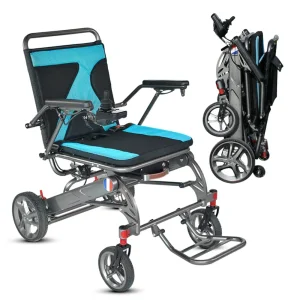
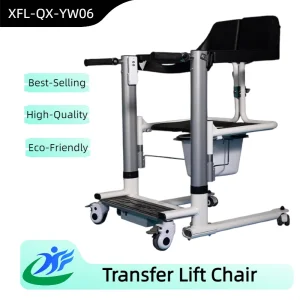
Our collaborative deployment with local partners indicates a strong need for integrated transfer mechanisms that fit within limited clinic spaces. Standard medical beds and residential quarters require versatile systems like the XFL-QX-YW03 Electric Disabled Transfer Chair to achieve seamless bed-to-bathroom access without structural remodeling. As clinical resources are increasingly deployed in smaller regional clinics beyond the major metro areas, the transportability, reliability, and ease of assembly of rehabilitation apparatuses have become the primary benchmarks for procurement decision-makers.
How Dongguan Merlix Chair Co., Ltd. integrates automation with strict quality controls to support critical global medical supplies.
As a leading innovator based in the manufacturing hub of Guangdong, Dongguan Merlix Chair Co., Ltd. represents the forefront of China's Factory 4.0 medical manufacturing. We do not simply assemble parts; we engineer precision, life-improving equipment. Adopting advanced robotic welding arms, high-tonnage precision metal processing systems, and computer-controlled durability simulation equipment, our facility ensures every rehabilitation device meets strict global criteria.
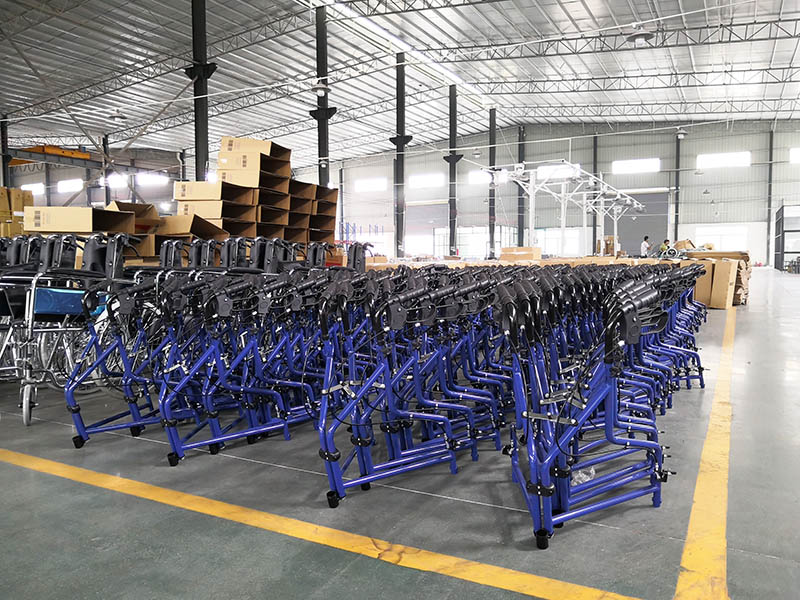
Our modern plant operates under a continuous optimization framework. Raw materials, from aerospace-grade aluminum to ultralight carbon fiber, undergo rigorous load testing and chemical composition analysis before entering production lines. For our key product series—including electric patient lifters, rollators, and active gait training machines—welds and joints are verified through structural testing. This reduces mechanical fatigue and ensures a long operational lifespan in demanding clinic environments, particularly in humid tropical zones like Bioko Island.
Compliance is the cornerstone of trust in medical technology. Dongguan Merlix Chair Co., Ltd. operates in strict alignment with the ISO 13485 Medical Devices Quality Management System. Our complete catalog is certified with CE Markings and approved under SFDA (State Food and Drug Administration) protocols, confirming that our design, manufacturing, and validation methods comply with international healthcare safety regulations.
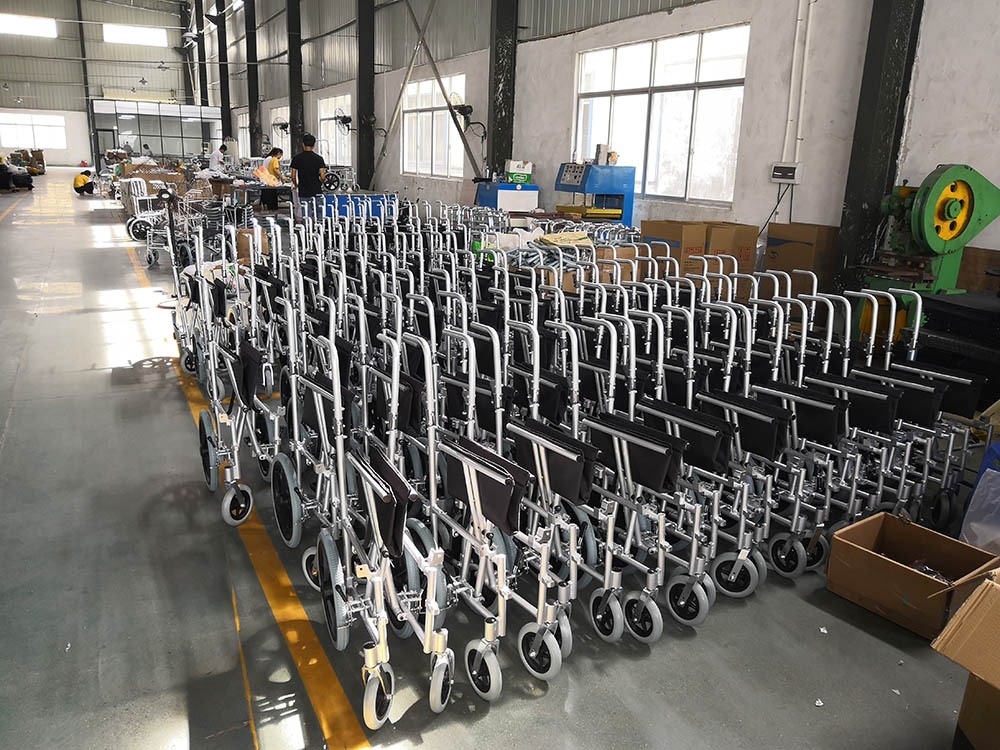
By implementing a strict traceability protocol, every component—from the electric actuator of our patient lift chairs to the high-strength fasteners on our gait improvement structures—can be tracked back to its raw material batch. This systematic tracking enables us to deliver reliable products with on-time logistics to international distributors, humanitarian organizations, and public health ministries. Our 10+ years of export experience ensures smooth customs clearing and regulatory alignment in CEMAC ports, guaranteeing hassle-free arrivals at Malabo or Bata harbors.
Bridging international innovations in bio-feedback with the daily clinical realities of West and Central Africa.
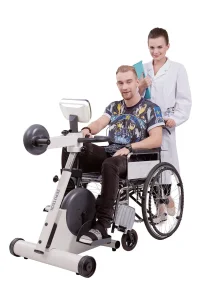
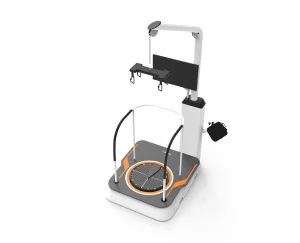
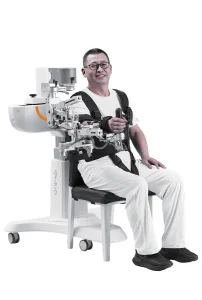
Modern therapy emphasizes neuro-plasticity and interactive feedback. Today's gait rehabilitation systems incorporate load-cells and digital angular sensors to track real-time patient weight bearing and walking balance. This allows physical therapists in clinics across Equatorial Guinea to adapt daily therapy routines based on concrete recovery data.
For outpatient use and daily community living aids, heavy steel frames are increasingly replaced by high-tensile carbon fiber composites. These modern materials reduce the physical effort required for propulsion while maintaining heavy weight capacities (up to 110 kg), ensuring easy transport across varying city terrains.
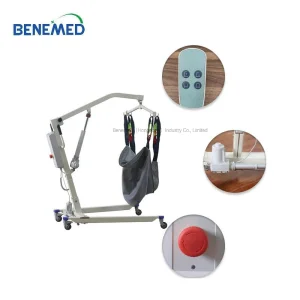
Manual cranking mechanisms are being replaced by high-performance linear actuators. Smart control boxes, soft-start/stop features, and built-in safety cutoffs provide smooth, reassuring movement for users during transfer procedures, reducing sudden movements and patient discomfort.
In practice, modern health systems must integrate high-end technology with local operational realities. Power grids can occasionally fluctuate, necessitating backup battery integrations on electric lifters. Additionally, high humidity calls for structural powder coatings and sealed components to prevent moisture damage. Dongguan Merlix's designs directly incorporate these safety elements to guarantee long-term performance across different environments.
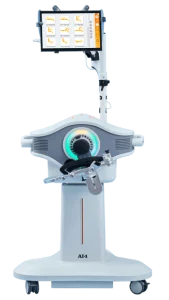
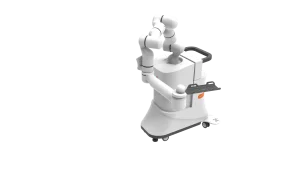
Examine our specialized rehabilitation structures, walking trainers, and patient positioning systems certified for international hospital distribution.
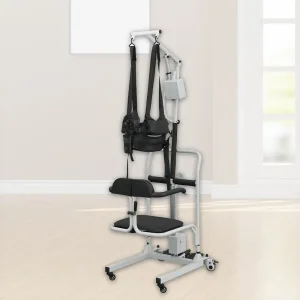
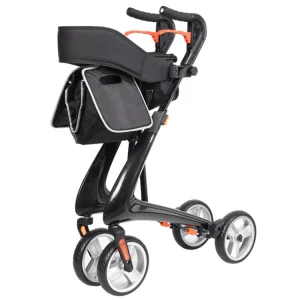
In Equatorial Guinea, purchasing decisions for medical equipment often involve multiple parties: medical advisors, administrative leads, and import logistics specialists. Navigating import tariffs, compliance with CEMAC regional standards, and local distribution requirements is essential for a smooth integration of new technologies.
When importing from China, maritime shipping routes terminate at either the Port of Malabo (Bioko Island) or the Port of Bata (Continental Region). Importers must ensure all cargo manifests clearly identify the goods as medical equipment. Our logistics team provides a comprehensive documentation bundle, including the Bill of Lading, Commercial Invoice, detailed Packing Lists, CE conformity certifications, and ISO certificates. This thorough documentation helps minimize processing times at customs and ensures efficient delivery to the end facility.
At Dongguan Merlix Chair Co., Ltd., we recognize that a standard, one-size-fits-all approach is often insufficient for international clinics. Different hospital wards require tailored heights, specific cushion compositions, and distinct control box modifications. Our in-house engineering team works closely with local coordinators to customize products based on:
• Motor Voltage & Plug Standards: Adapting electric actuators for 220V/50Hz grids with local plug shapes.
• Weight Tolerance Enhancements: Reinforcing frame configurations to support bariatric requirements.
• Custom Labeling and Instructions: Providing documentation in Spanish to align with national language standards and facilitate local caregiver training.
Key information on ordering, compliance, shipping, and clinical deployment for B2B procurement managers.
Our manufacturing and assembly processes are certified under ISO 9001 and ISO 13485 (Medical Devices Quality Management Systems). Additionally, all products are compliant with CE Mark standards and certified by the SFDA, which simplifies the import process at both continental and insular ports within the CEMAC zone.
Standard manufacturing timelines range from 20 to 30 days depending on the volume and customization needs. Ocean freight transit from Shenzhen or Nansha port to Malabo/Bata typically takes between 35 and 45 days. We coordinate closely with leading maritime carriers to secure optimal transit routes and ensure timely delivery.
Our electric transfer chairs and medical lifters utilize certified control boxes configured for 220V/50Hz power networks. Additionally, these units are equipped with internal backup batteries, allowing clinical staff to perform multiple transfer cycles during temporary power cuts. Motor systems are also IPX4 rated to resist humidity and moisture ingress.
Yes, we provide comprehensive OEM/ODM services. We can customize frame paint schemes, apply custom branding, adjust structure measurements, and supply all user guides, warning labels, and control interfaces in Spanish to ensure compliance and ease of use for local healthcare teams.
We provide a comprehensive warranty on our frames, motors, and control boxes. With each bulk order, we also supply a package of critical spare parts (such as replacement slings, casters, and control buttons) to enable immediate on-site maintenance and minimize clinical downtime.
Are you coordinating a procurement tender or upgrading physical rehabilitation facilities in Equatorial Guinea? Get in touch with our team for detailed pricing lists, customizable product configurations, and logistics schedules.
Send Inquiry Now Merlix Chair