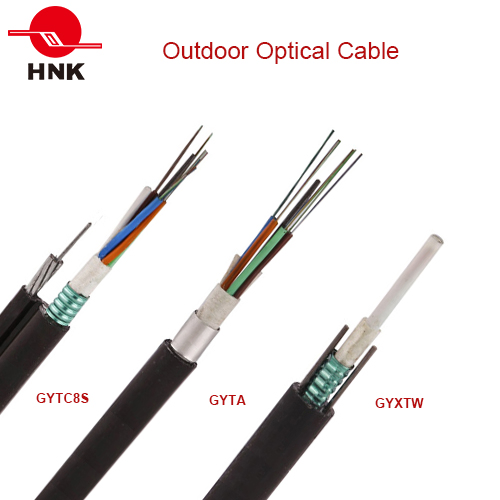
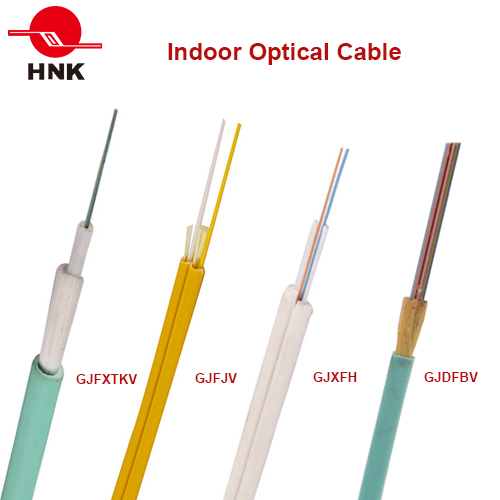
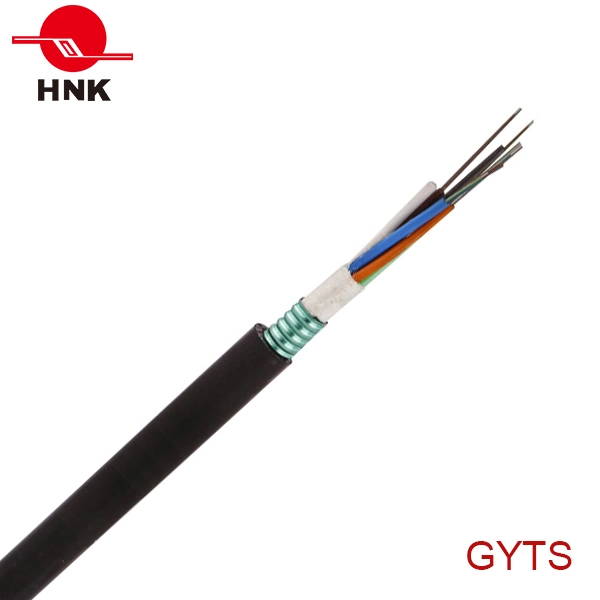
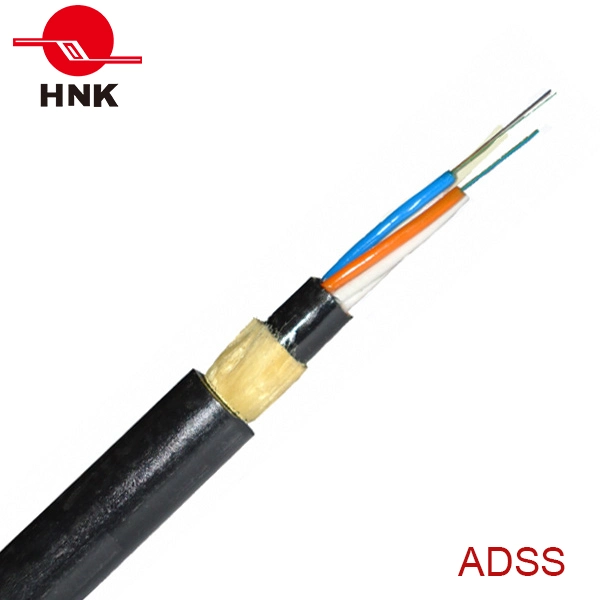
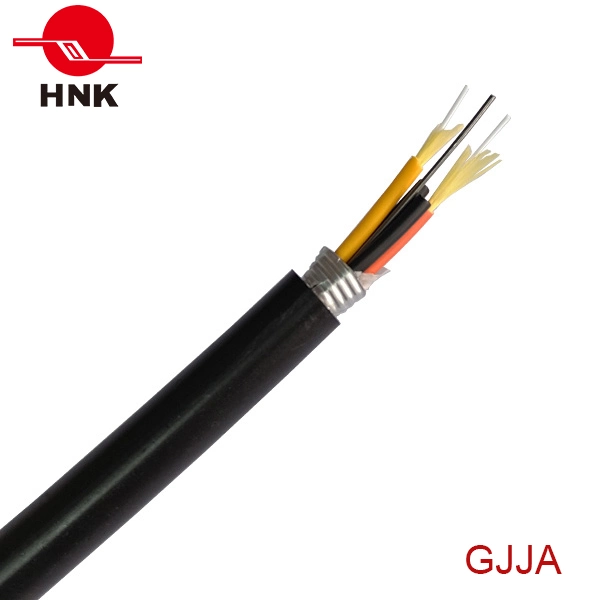
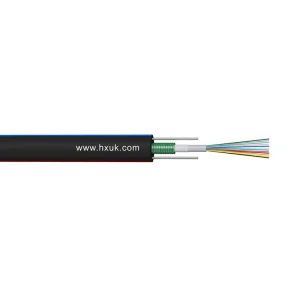
Outdoor Indoor Single Mode Multimode Fiber Optic Cable

Still deciding? Get samples of $ !
Request Sample

Product Description

i

Basic Specifications

Model NO.
Fiber Optic Cable
Connection Structure
Fiber Optic
Material Shape
Glass Fiber
Certification
RoHS, CE, ISO9001
Sheath Material
PE, LSZH, PVC
Length
According to Requirement
Fiber Cores
According to Requirement
Transport Package
Wooden Wheel
HS Code
85447000
Production Capacity
1000000m/Month

Product Description

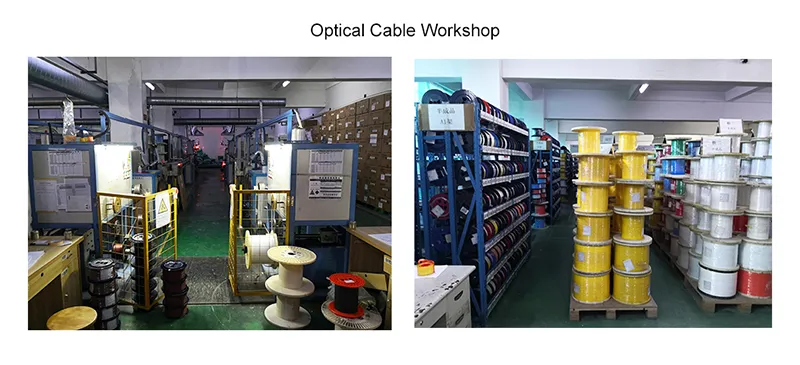
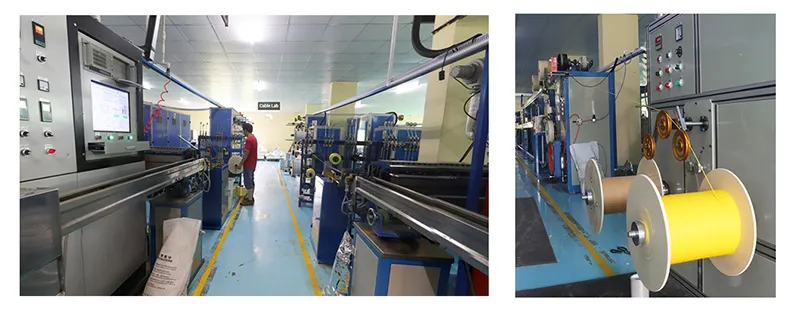
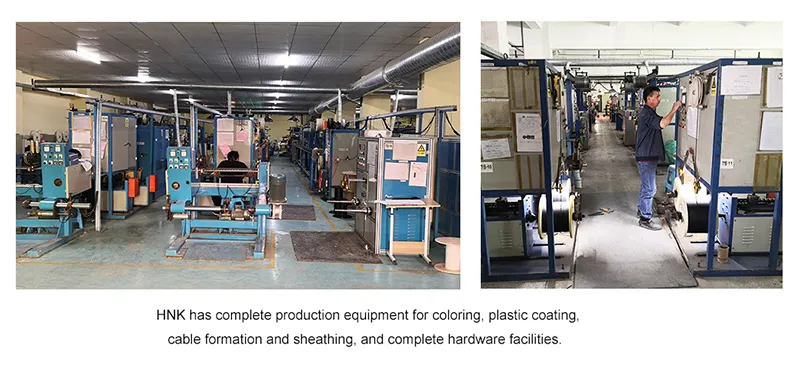
Our ISO9001 certified production facility provides a complete line of indoor and outdoor cable products in tight buffered and loose tube constructions. We offer excellent performance and competitive pricing for all your fiber optic needs.
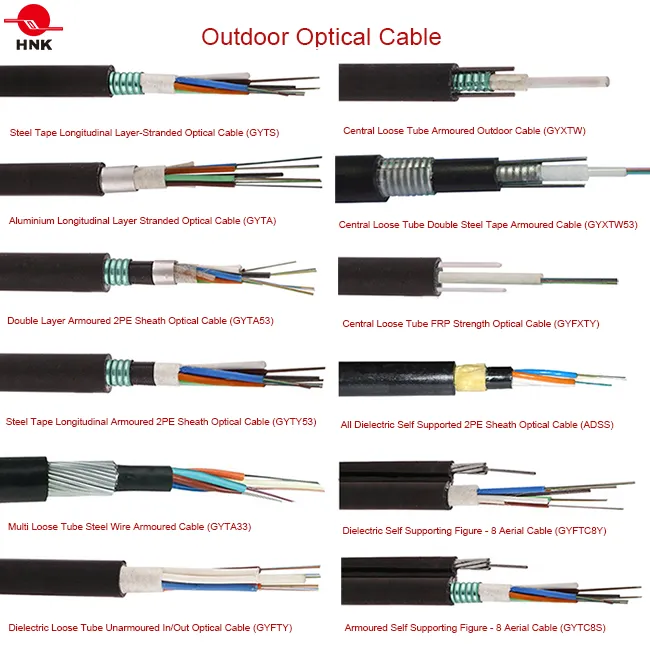
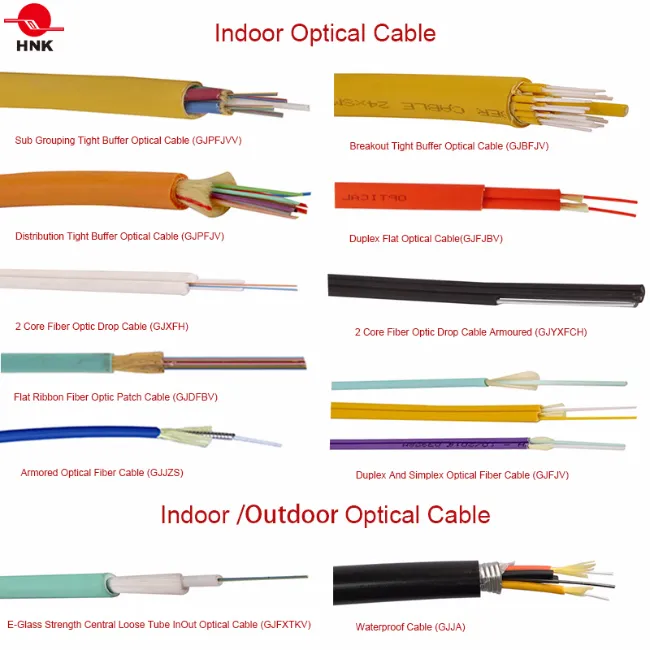
L

Standards Compliance

ITU-T G652.D
ITU-T G651.1 OM1 OM2 OM3 OM4
ITU-T G657.A
IEC60793-2-10 type A1a.1/A1b OM1/OM2
IEC60793-2-10 type A1a.2 OM3
IEC60793-2-10 type A1a.3 OM4
ISO/IEC 11801, ISO/IEC 24702
IEEE 802.3z Gigabit Ethernet
ANSI/TIA/EIA 568C.3
ROHS Compliant Directive 2011/65/EU
Fiber Optic Cable
O

Optical Characteristics

Optical Characteristics

The fundamental differences between multimode and singlemode fiber are the core size, attenuation, and bandwidth. Smaller core diameters typically result in higher bandwidth and lower attenuation (dB/km). These characteristics are wavelength-dependent.

Singlemode fiber is designed for high-speed, long-distance transmission. Multimode fiber (50 µm or 62.5 µm) is used for shorter distances. The 50 µm fiber offers higher modal bandwidth than the 62.5 µm version.

Fiber Type Max. Attenuation (dB/km) Min. Bandwidth (Mhz.km) Min. Gigabit Link (m)
850nm 1300nm 850nm 1300nm 850nm 1300nm
OM1 62.5/125µm ≤2.7 ≤0.6 ≥500 ≥600 275 550
OM2 50/125µm ≤2.3 ≤0.6 ≥500 ≥500 750 600
OM3 50/125µm ≤2.3 ≤0.6 ≥1500 ≥500 1000 600
OM4 50/125µm ≤2.3 ≤0.6 ≥3500 ≥500 1100 600
G652D 9/125µm - - - - - -
C

Standard Fiber Color Code

Fiber No. Color Fiber No. Color
1Blue7Red
2Orange8Black
3Green9Yellow
4Brown10Purple
5Gray11Pink
6White12Aqua
Fiber 13+: Repeated color code with black stripe/dash.
Color Code Chart
P

Ordering Guide

XX A (Jacket) B (Fiber/T) C (Count) D (Type) CL (Color)
Cable Type 1=PVC, 2=LSZH, 3=PE 01-12 Fiber/Tube e.g. 004F, 048F OM1-OM4, G652D, G657A Per Chart
G

Product Gallery

Fiber Optic Gallery 1 Fiber Optic Gallery 2 Fiber Optic Gallery 3
Fiber Optic Gallery 4 Fiber Optic Gallery 5 Fiber Optic Gallery 6
?

Frequently Asked Questions

1. What is the difference between Single-mode and Multimode fiber? Single-mode fiber (9/125µm) is designed for long-distance data transmission with high bandwidth, while Multimode fiber (50/125µm or 62.5/125µm) is typically used for shorter distances and lower speed applications.
2. Which jacket materials are available for these cables? We offer three main types of jacket materials: PVC (for general indoor use), LSZH (Low Smoke Zero Halogen for enhanced safety), and PE (for durable outdoor protection).
3. How are the individual fibers identified within the cable? We follow the ANSI/TIA/EIA-598-B standard color code, which uses 12 distinct colors (Blue, Orange, Green, etc.) to identify fibers. For cables with more than 12 fibers, stripes or dashes are added.
4. What international standards do your fiber optic cables meet? Our cables comply with various global standards including ITU-T G652.D, G657.A, IEC60793, ISO/IEC 11801, and are fully ROHS compliant.
5. Can the cable length and core count be customized? Yes, both the cable length and the number of fiber cores can be manufactured according to your specific project requirements.
6. What is the production capacity for these fiber optic cables? Our manufacturing facility has a production capacity of approximately 1,000,000 meters per month to ensure stable supply for large-scale projects.

Related Products