CE Certified Adaptive Mobility Solutions Suppliers & Exporters

Pioneering High-Performance Rehabilitation Technology, Compliant Patient Transfer Systems, and Custom Medical Equipment for Global Clinical and Residential Operations

Pioneering Adaptive Rehabilitation Equipment

Dongguan Merlix Chair Co., Ltd. stands as a premier global OEM/ODM manufacturer and exporter of highly specialized, CE, ISO, and SFDA-certified medical mobility solutions. With an established engineering history exceeding 10 years, we manufacture and supply specialized hardware designed to enhance user autonomy and elevate clinical safety margins across international medical ecosystems.

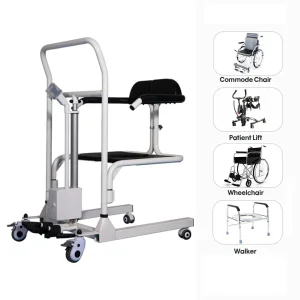
Our core medical and adaptive portfolio encompasses premium canes, crutches, lightweight active and passive walkers, ergonomic bathroom and toilet safety frames, daily living aids, hospital-grade beds, and multi-functional patient transfer lifts. We operate with strict compliance to global health authorities to ensure that our devices withstand the demands of intense institutional environments and comfortable home-care setups alike.

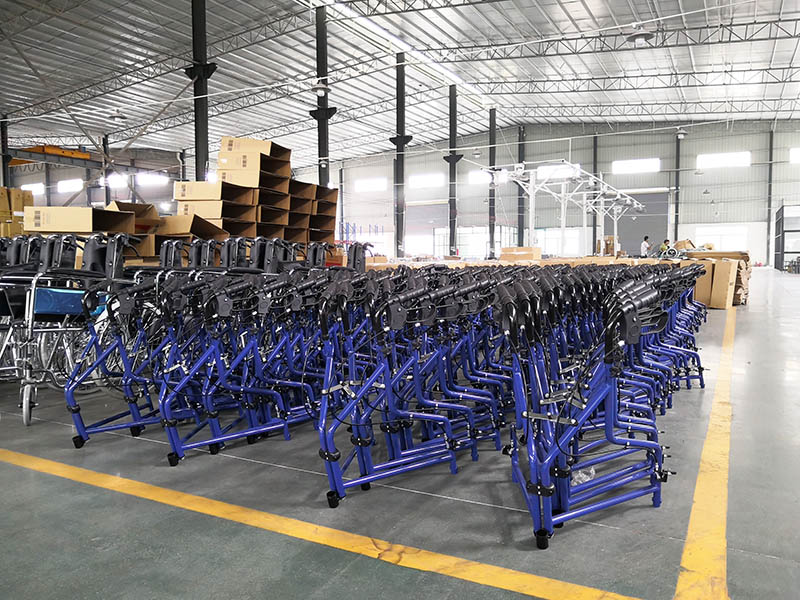
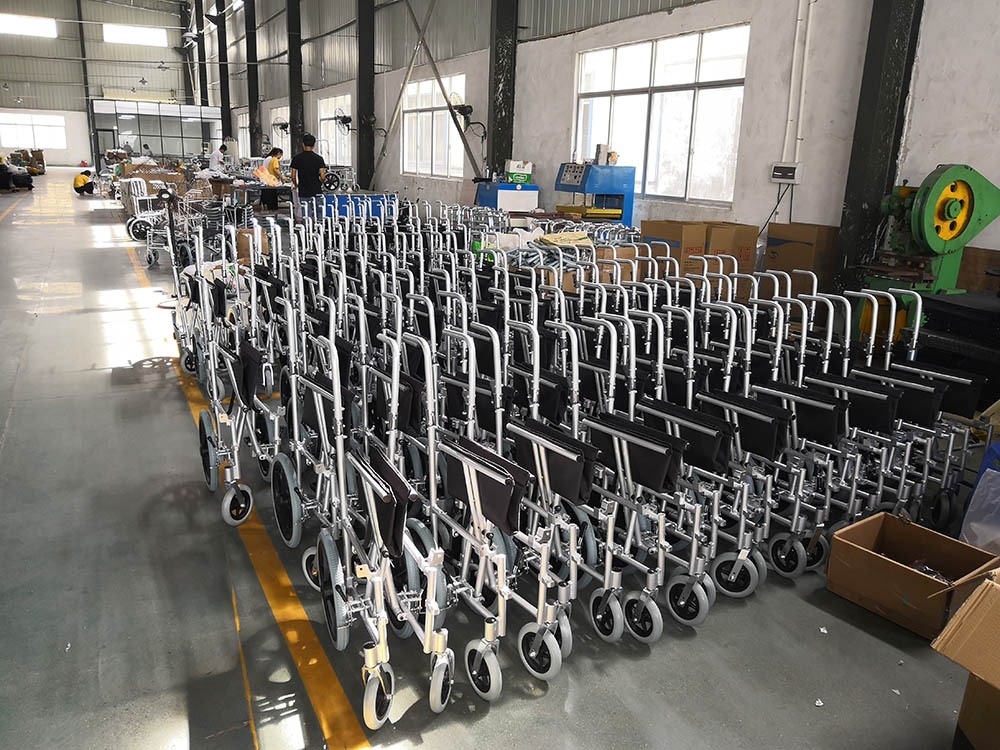
From our headquarters, we oversee a vertically integrated manufacturing line that monitors incoming raw material tolerances, applies precision automated welding, and deploys rigorous multi-stage quality control tests before exporting finished batches to our partners worldwide.
10+
Years Industry Experience
100%
CE, ISO & SFDA Compliant
50+
Exporting Countries & Regions
24/7
Global Engineering Support

Global Commercial and Industrial Landscapes of Adaptive Mobility

The global demand for adaptive mobility devices and complex patient handling infrastructure has experienced exponential growth. Driven by macro-demographic shifts—principally a rapidly aging population in the European Union, East Asia, and North America—clinical systems are migrating toward safe-patient-handling (SPH) paradigms. Statistical reports suggest that institutional settings that implement mechanical patient lifters reduce occupational injuries among nursing staff by up to 65% while simultaneously minimizing patient skin shear and accidental falls.

Furthermore, regulatory bodies like the European Medicines Agency (under MDR regulations) and the FDA have tightened standards regarding structural fatigue, electrical safety, and material biocompatibility. This trend has established high barrier thresholds for international exporters. Suppliers must prove not only structural integrity but also comprehensive chemical test compliance (e.g., REACH and RoHS) for polymer-coated surfaces, ensuring long-term contact safety in continuous clinical use.

As smart cities and modern healthcare facilities integrate IoT networks, adaptive mobility is also shifting toward telemetry-enabled solutions. Incorporating weight sensors, battery life indicators, and digital spatial safety systems directly into patient transfer apparatuses is becoming the standard. Thus, today's suppliers must possess multidisciplinary hardware-software synthesis capabilities to serve premium tier-one healthcare facilities.

Global Regulatory Compliance Framework

Exporting life-support and rehabilitation systems requires comprehensive adherence to strict protocols:

  • CE Medical Device Regulation (MDR 2017/745): Demands rigorous clinical evaluations and Post-Market Surveillance (PMS).
  • ISO 13485:2016: Establishes global medical-grade quality management standards throughout the design, production, and distribution cycle.
  • SFDA (Saudi Food and Drug Authority): Regulates standard procedures and licensing for physical rehabilitation systems in the Middle East.

China Manufacturing Efficiency & Supply Chain Optimization

China's physical therapy and mobility apparatus manufacturing sector benefits from a fully realized, integrated industrial ecosystem. Located in key technology corridors like Dongguan, companies like Merlix access an unparalleled local supply chain. This concentration ensures immediate, cost-effective access to structural materials, specialized surface coatings, micro-motors, and precision electronics.

This localized supply chain translates to significant structural advantages for overseas buyers:

  • Automated Production Integration: Utilizing robotic arc welding and multi-axis CNC machining, we ensure consistent structural tolerances, eliminating the manual defects common in lower-tier facilities.
  • Material Quality & Durability: Leveraging high-tensile carbon steel and lightweight aerospace-grade aluminum alloys allows us to manufacture mobility products that boast high load-bearing limits with minimal tare weight.
  • Rapid Prototyping and OEM Flexibility: Modifying mechanical drawings and testing prototype configurations can be executed in days rather than months.
  • Optimized Scale & Cost Control: High throughput capacity allows us to amortize fixed tooling costs efficiently, delivering premium medical-grade equipment at a fraction of the cost of Western competitors.

By implementing a strict vertical QA process, raw materials are tested for structural load capabilities upon arrival. Every welded frame undergoes automated load-deflection testing, and finished electric patient lifts undergo functional weight-cycling tests. This level of quality management reduces import-arrival defect rates to virtually zero, saving distributors from costly returns and compliance investigations.

Localized Application & Deployment Scenarios

Our diverse engineering portfolio addresses various clinical, residential, and industrial environments worldwide.

Acute & Long-Term Care Facilities

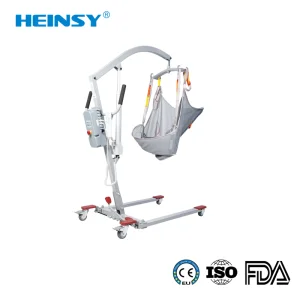
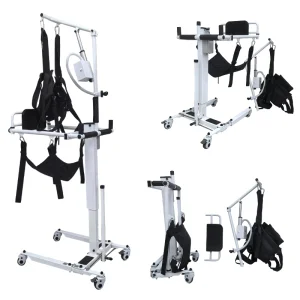
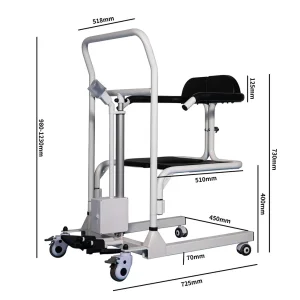
Institutional environments demand high-durability patient transfer systems. Our heavy-duty electric carbon steel lifts (like the Hes-105b) are engineered for repeated daily use, featuring smooth electric actuators that minimize patient distress and prevent nursing staff strain.

Home Healthcare & Residential Assisted Living

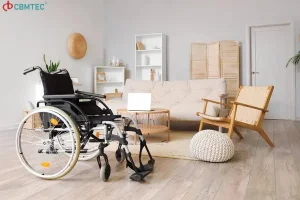
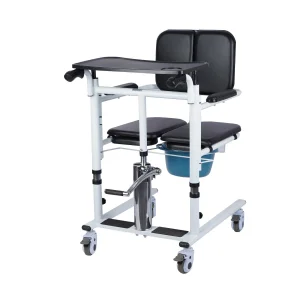
Residential spaces demand mobility solutions with compact footprints and versatile designs. Our foldable aluminum wheelchairs and waterproof, battery-powered commode lift chairs are optimized to navigate tight doorframes and wet bathroom surfaces.

Specialized Physical Rehabilitation Centers

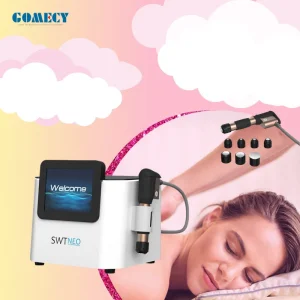
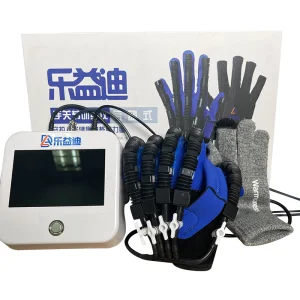
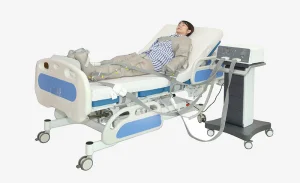
Physiotherapy clinics utilize our lower-limb walking therapy systems and robotic/pneumatic shockwave devices to treat gait disorders and manage chronic musculoskeletal pain. This equipment facilitates accelerated, measurable patient recovery.

Key Industry Trends and Technological Trajectories

The rehabilitation and personal mobility equipment sectors are undergoing a rapid technological evolution. Five key trajectories are currently redefining the industry:

  1. Advanced Lightweight Alloys & Nanomaterials: High-tensile steel is being replaced by magnesium-aluminum alloys and carbon fiber. These materials reduce equipment weight by up to 40% while matching the tensile strength of steel, greatly improving ease of transport and folding systems.
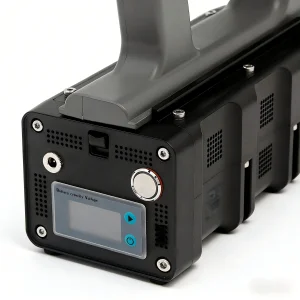
  2. Brushless DC Motors and Advanced Power Management: Modern electric transfer lifters and powered commodes feature high-torque, low-noise brushless DC motors powered by rechargeable lithium-ion phosphate (LiFePO4) battery packs. These systems extend service life and improve reliability.
  3. Biocompatible and Antibacterial Materials: Hospital-acquired infections (HAIs) demand that contact surfaces utilize medical-grade TPU or specialized polymer blends infused with antimicrobial agents. These materials inhibit bacterial colonization on grab bars, armrests, and sling components.
  4. Modular Design & Structural Customization: Global clients increasingly seek modular frame systems that can be adjusted to fit diverse patient body types, reducing inventory carrying costs for distributors.

Global Enterprise Procurement Requirements

For B2B procurement managers, sourcing medical-grade mobility hardware from overseas suppliers demands extensive risk management. The priority is to establish a secure supply chain that minimizes lead times while ensuring regulatory compliance.

Key procurement considerations include:

  • Traceability & QA Documentation: B2B partners require complete documentation, including material test certificates, CE certificates, and ISO compliance logs, to satisfy local customs audits.
  • Optimized Packaging & Container Management: Medical products must be packed securely in reinforced, moisture-resistant packaging to prevent structural damage during sea freight transit.
  • OEM/ODM Technical Capability: Suppliers must be capable of modifying electrical and structural systems to meet localized voltage and regulatory requirements.

Frequently Asked Questions (FAQ)

Critical compliance, engineering, and procurement information answered by our technical growth team.

What certifications do Merlix mobility products hold for European and American markets?
Our medical products, including electric patient lifts, rehabilitation trainers, and wheelchairs, are fully CE and ISO 13485 certified. We also hold SFDA registration for Middle Eastern markets. Upon request, we provide detailed test reports, including structural fatigue certificates and material biocompatibility documents (EN 12182 and EN 12184 compatibility tests).
Can we request OEM/ODM modifications for patient lifts and custom wheelchairs?
Yes. We offer robust OEM and ODM services. Our engineers can modify frame dimensions, structural materials (such as carbon steel vs. aluminum), motor brands (like Linak or Dewert), battery chemistry configurations, and customized upholstery fabrics. We also accommodate custom branding and specialized packaging configurations for bulk procurement.
What is the standard manufacturing lead time and minimum order quantity (MOQ)?
For standard products in our catalog, our typical production lead time is 25 to 35 days from receipt of deposit. The MOQ varies by category; standard manual wheelchairs and walking aids usually require a 20ft container load, while specialized electric patient transfer lifts have a lower MOQ, starting at 10 units. We recommend contacting our sales office to discuss customized shipping schedules.
How does Dongguan Merlix ensure structural safety and product quality?
We employ a strict quality control system. Incoming raw materials undergo spectrographic metal analysis and tensile testing. Our fabrication line utilizes automated welding robots for uniform weld depth and strength. Finished products undergo mechanical stress testing, weight capacity verification, and electrical safety inspections. Every electric lifting system is cycle-tested under a 1.5x load factor before packaging.
Are the electronic components on patient lifters waterproof and compatible with clinical cleaning protocols?
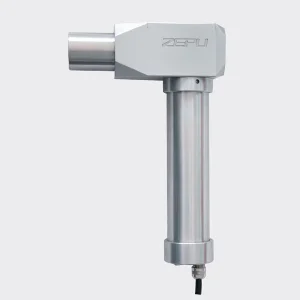
Yes. The control boxes, electric hand pendants, and actuators on our patient transfer systems and commode lifts carry an IPX4 or IPX6 water resistance rating. This ensures they operate safely in wet environments like institutional shower stalls. All electrical control systems are sealed and designed to withstand standard medical disinfectant cleanings.