The global medical device sector is undergoing a profound paradigm shift driven by demographic transitions and breakthrough developments in materials science and ergonomics. As the world's population over 60 years old is projected to reach 2.1 billion by 2050, the demand for mobility enhancement tools has transitioned from simple, reactive assistive devices to highly engineered, proactive, and rehabilitative systems. Contemporary mobility aids are no longer merely passive structures; they are dynamic, anatomical extensions designed to restore patient dignity, improve nursing workflows, and decrease secondary physiological trauma.
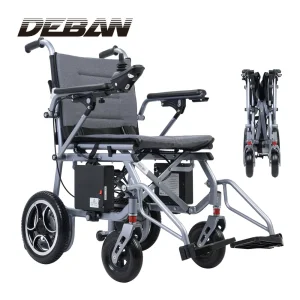
Key industry trends focus heavily on structural weight reduction without sacrificing yield strength. High-tensile aluminum alloys and composite carbon-fiber structures are replacing traditional heavy steels in walkers, transfer chairs, and manual wheelchairs. Simultaneously, there is a massive surge in smart technology integration, including IoT-enabled telemetry for inpatient movements, sensors for weight distribution, and adaptive power assists that adjust to real-time gait variations. Procurement agencies and medical facilities are prioritizing modular platforms that support customized clinical workflows while meeting stringent sanitary and mechanical requirements.
Modern mobility solutions utilize gait-tracking alignment and ergonomic load distribution to prevent patient skeletal strain and pressure-ulcer genesis during long-term assistive use.
Stringent compliance structures like the EU Medical Device Regulation (MDR) and FDA classification systems require suppliers to document design verification and clinical trials.
Diversified raw material sourcing and vertical integration guarantee consistent delivery lead times and component traceabilities, shielding buyers from macro-level disruptions.
B2B medical supply procurement teams face complex challenges when choosing manufacturing partners. Unlike commercial hardware, medical equipment must perform flawlessly under continuous daily use in harsh environments, such as high-temperature autoclaves or chemical-intensive washdowns. B2B buyers expect partners who understand total cost of ownership (TCO) over short-term unit discounts.
Whether for bariatric patient management, geriatric care, or physical rehabilitation protocols, buyers require high-precision products designed for safety, longevity, and clinical utility.
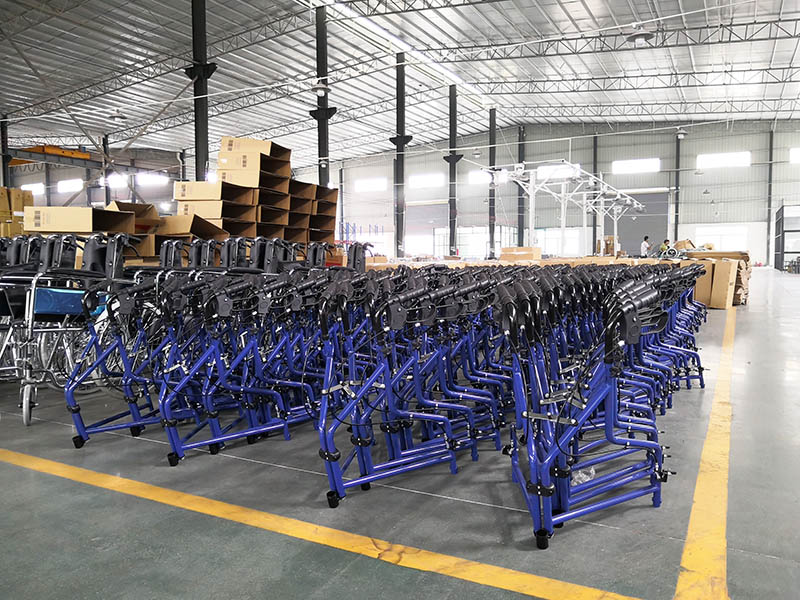
If you are searching for a reliable supplier of high-quality medical equipment and home healthcare products, Dongguan Merlix Chair Co., Ltd. is your best choice and can meet all your requests. As a manufacturer and exporter certified by ISO, CE, & SFDA, we specialize in advanced rehabilitation products designed for clinical, institutional, and residential care environments.
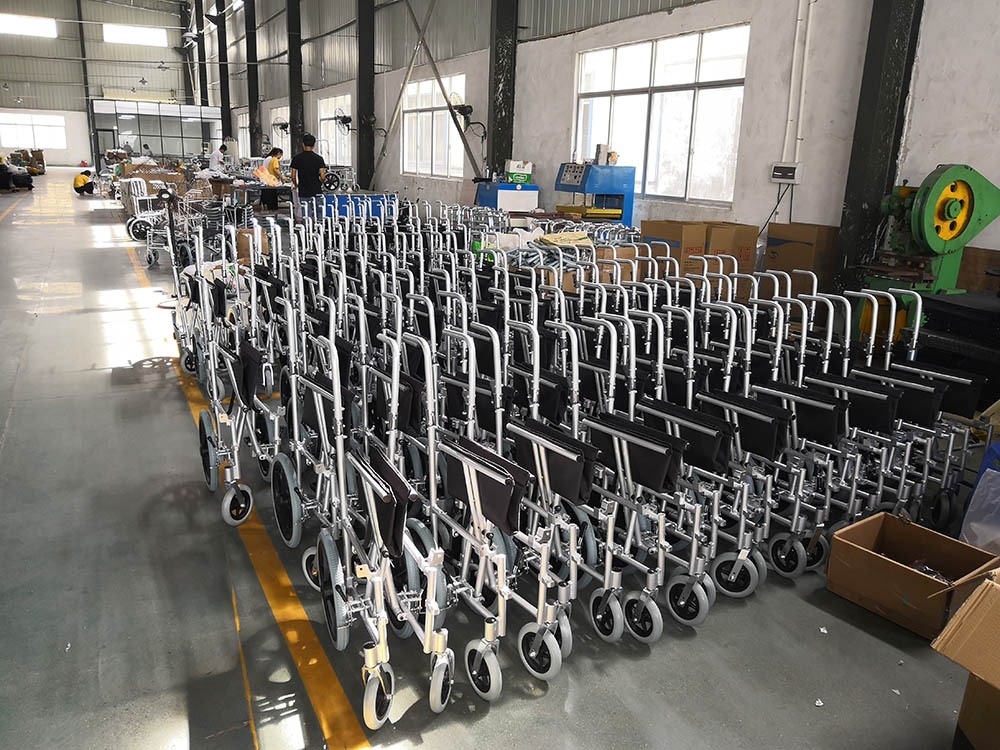
With more than 10 years of experience in the field, we offer a comprehensive portfolio including canes, crutches, walkers, bathroom aids, toilet aids, daily living aids, wheelchairs, hospital beds, and patient room products. From the date of our establishment, we have committed to high-quality, comfortable products. Our professional and experienced engineering department, coupled with a highly responsive B2B sales team, ensures considerate service for both standard configurations and custom OEM designs.
By adopting strict production management and quality control procedures from raw material reception to final packaging, we deliver products with excellent quality, durability, and punctual lead times. We are ready to provide what you need and build a trustworthy, reliable, and mutually beneficial cooperation relationship with your enterprise.
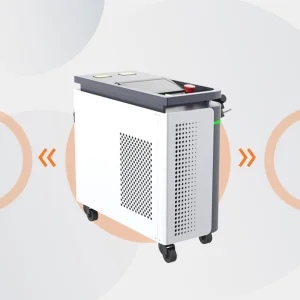
Our Dongguan manufacturing facilities utilize advanced industrial production technologies to ensure consistent quality and scalability. Through smart supply chain integration, we optimize cycle times and maintain material traceability across all levels of production. By using automated laser-cutting arrays, robotic welding arms, and precise CNC tube-bending systems, we reduce structural variances, ensuring every walker, transfer chair, and mechanical frame conforms to high-precision engineering drawings.
Our QC team inspects incoming raw materials, performs mechanical stress tests, and monitors final packaging. We use standardized salt-spray corrosion tests for metal platings, static load tests, and dynamic wear tests on all castor and pivot assemblies. This ensures our products withstand the demands of long-term healthcare environments.
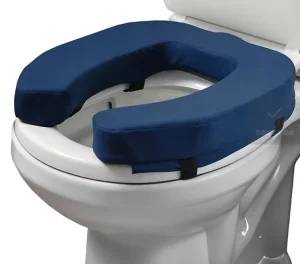
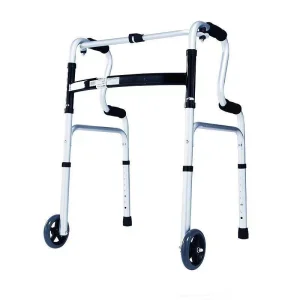
Mobility enhancement tools must function effectively within various clinical and home care layouts. In home care environments, products like U-shaped toilet risers and folding walkers must fit standard residential bathroom dimensions and navigate narrow residential corridors.
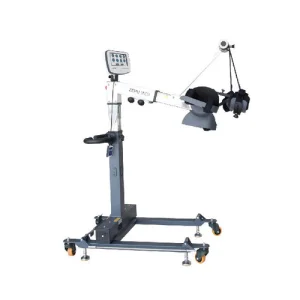
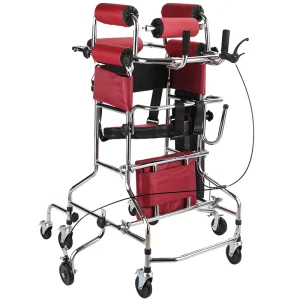
In clinical rehabilitation departments, high-capacity bariatric transfer systems and gait trainers are essential for improving patient mobility while protecting healthcare staff from strain injuries. These tools support patient mobilization protocols, reduce physical effort for clinical teams, and help lower hospital readmission rates.
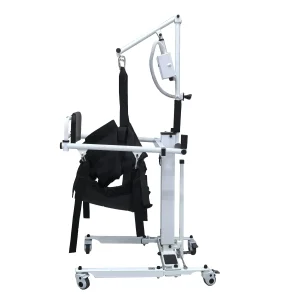
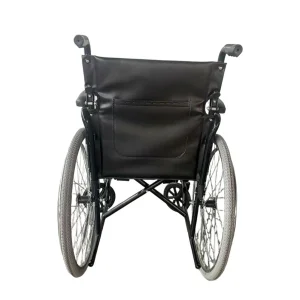
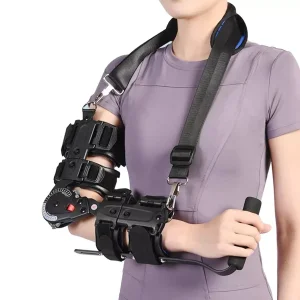
Our manufacturing systems and product lines comply with international medical device standards. Dongguan Merlix Chair Co., Ltd. is certified under ISO 13485. Our products carry CE marks for the European Union and SFDA registration for regulated markets. This compliance ensures high standards of mechanical integrity, biocompatibility, and chemical safety.
Yes, our in-house engineering and R&D team specializes in custom OEM and ODM configurations. We modify dimensions, structural load ratings (e.g., bariatric specifications), material choices (such as high-grade aluminum or composite polymers), and seating designs to meet your clinical requirements and regional demographic needs.
Standard production lead times range from 30 to 45 days after deposit confirmation, depending on order size and customization requirements. Our production management systems in Dongguan help minimize delays, ensuring reliable shipping schedules for our global partners.
We apply a multi-tier quality control protocol. It begins with raw material verification (metal tensile tests and plastic purity analysis) and continues through production monitoring and pre-shipment inspections. This process includes mechanical fatigue testing, static weight capacity testing, and salt-spray corrosion tests for all metallic parts.
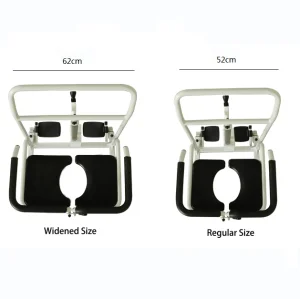
Our standard adult mobility devices support working loads up to 136 kg (300 lbs). Heavy-duty and bariatric-specific transfer solutions, such as our 62cm wide bariatric transfer chairs, are engineered and tested to support safe working loads up to 250 kg (550 lbs).
 Merlix Chair