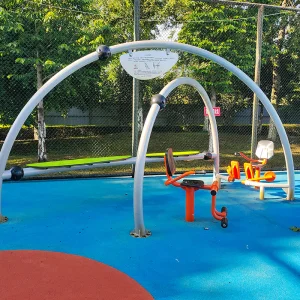
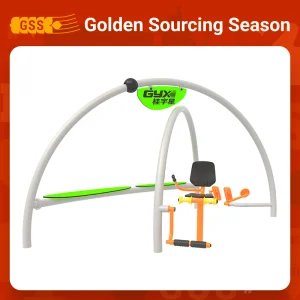
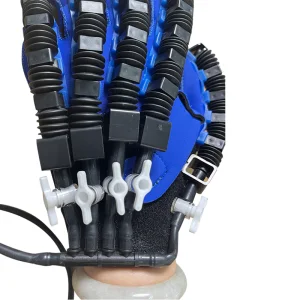
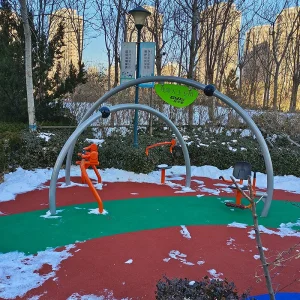
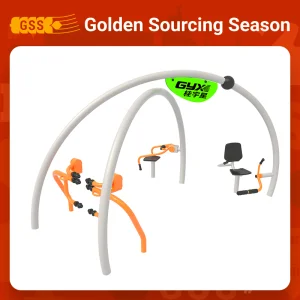
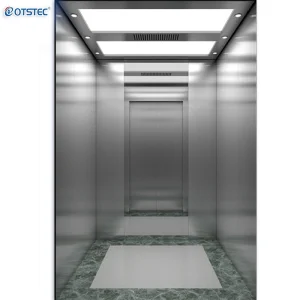
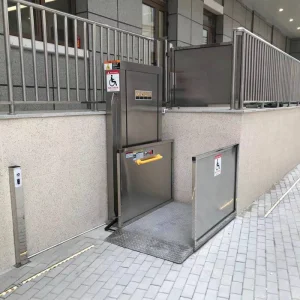
Engineered for robust mechanical reliability, low maintenance overheads, and high durability parameters tailored for Congolese public parks, clinics, and municipal facilities.
The Democratic Republic of the Congo (DRC) is undergoing a major healthcare and structural upgrade across key urban corridors, including Kinshasa, Lubumbashi, Kolwezi, and Goma. A combination of factors, including rapid urbanization, investments from global mining sectors in local communities, and health advocacy drives by international Non-Governmental Organizations (NGOs), has heightened the demand for resilient, high-grade medical mobility devices and physical rehabilitation systems. As municipal authorities enforce accessibility codes within new buildings, procuring heavy-duty wheelchair platform lifts, clinical patient lifts, and robust public outdoor fitness installations designed specifically for disabled users has become top priority for global procurement officers serving the Central African corridor.
Procuring disabled support equipment for African markets requires strict attention to material engineering and longevity. Importers must bypass generic, low-spec products to minimize the risk of mechanical breakdowns in remote areas where replacement parts are scarce. The prevailing challenges include:
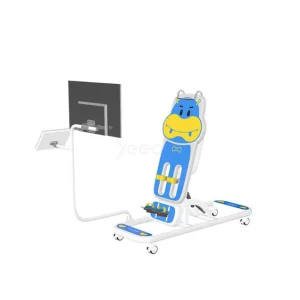
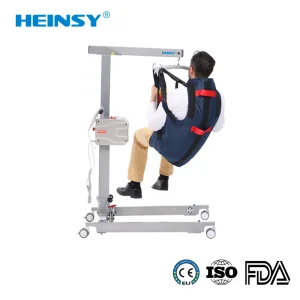
Selected patient lifting and active training systems designed to bridge the gap between clinical inpatient environments and home rehabilitation settings.
Are you searching for a highly reliable supplier of medical-grade rehabilitation and home healthcare products built to withstand rugged deployments? Dongguan Merlix Chair Co., Ltd. is your strategic partner.
As a premium manufacturer and global exporter certified by ISO, CE, and SFDA, we specialize in high-end physical therapy structures, patient transfer systems, daily living aids, wheelchair platforms, and hospital equipment. With over 10 years of R&D and supply chain experience, we assist regional distributors, private healthcare institutions, and NGO operations in Africa to select products built for longevity.
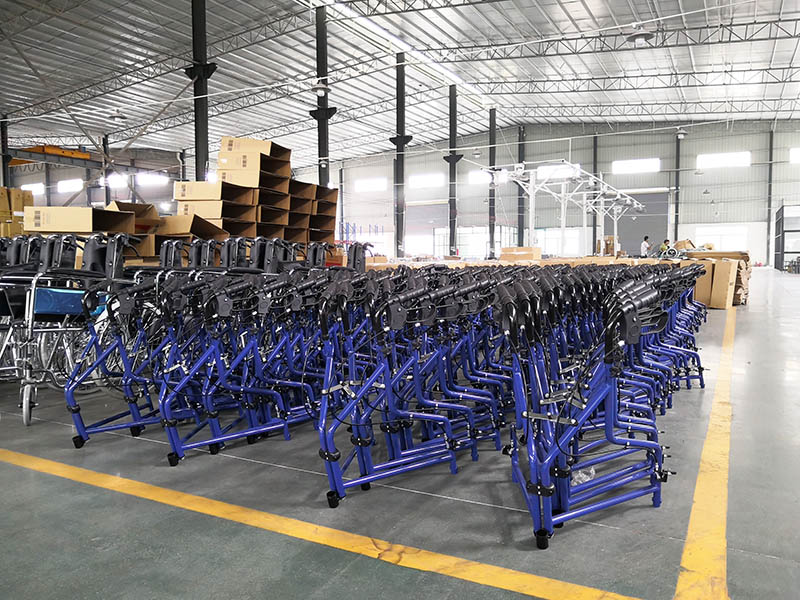
By enforcing strict manufacturing workflows from raw material chemistry testing (Q235 carbon steel analysis, polymer tensile strengths) to finalized loading simulations, we prevent pre-deployment failure on site. Our physical therapy devices and elevators undergo mechanical stress testing equivalent to 10,000 continuous operating cycles prior to global dispatch.
Whether you require standard clinical products or customized (OEM/ODM) designs tailored to the structural parameters of DR Congo public buildings, our professional engineering team handles stress-load modeling, structural analysis, and compliance reporting to guarantee an optimized solution.
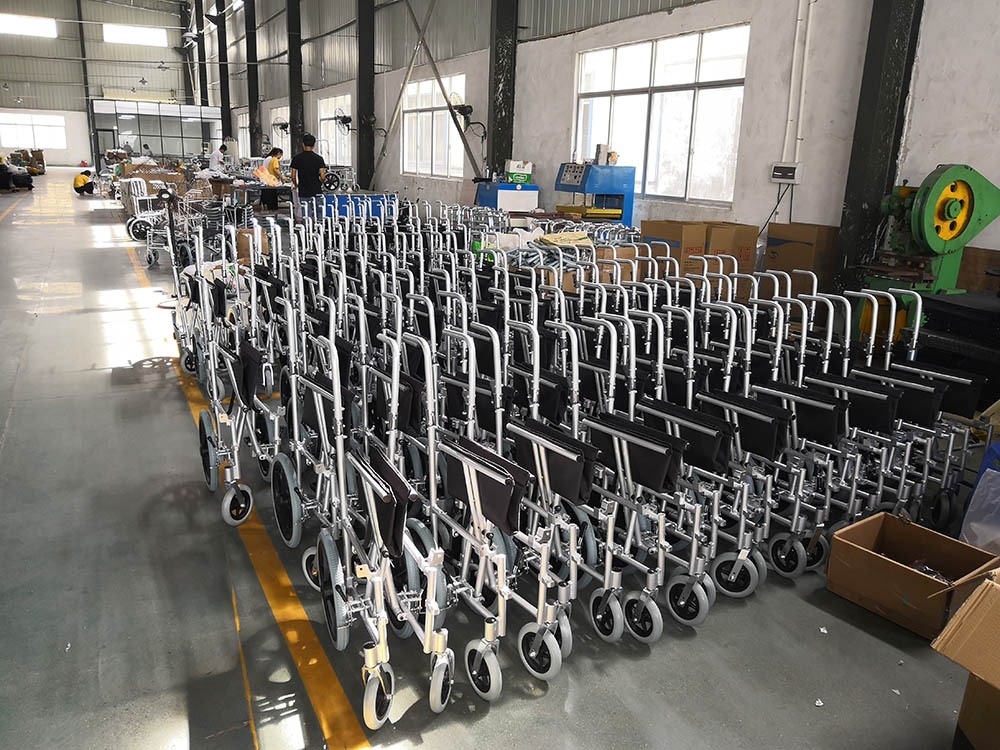
Industrial performance of support equipment in African tropical environments relies heavily on material composition. At Merlix, we construct our equipment using specialized technical roadmaps:
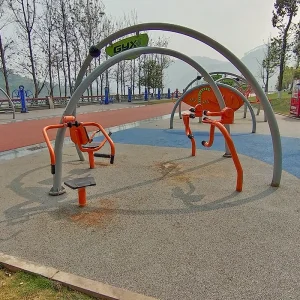
All outdoor gym machinery and municipal facilities targeting cities like Bukavu or Goma undergo a multi-stage metal treatment process: sandblasting to clean the substrate, hot-dip galvanization to secure internal tube walls, and electrostatically sprayed thermosetting zinc powder. This shields the steel against high humidity levels and tropical precipitation.
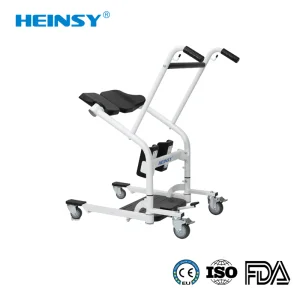
For patient lift equipment, battery cells are matched with intelligent diagnostic control boxes. If external power grids fail, manual hydraulic hand pumps and auxiliary control triggers on the chassis ensure operators can lower the patient safely without needing electrical input.
Wheelchair lifts and patient positioning devices utilize high-tensile, low-drag TPU casters. This minimizes rolling resistance on uneven stone or concrete surfaces, decreasing injury risks for caregivers in local clinics.
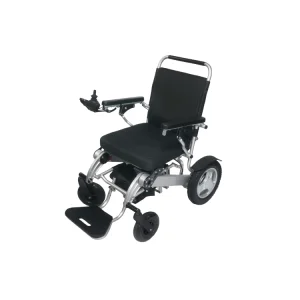
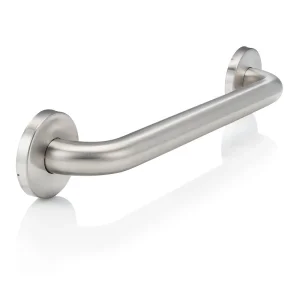
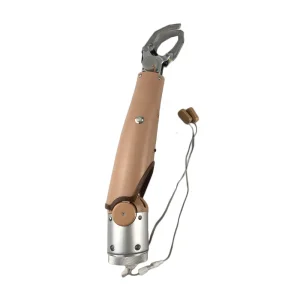
Full catalog of disabled support equipment designed to pass rigid international quality controls, customized for long-term use in DR Congo healthcare and social infrastructure projects.
Providing heavy rehabilitation hardware to Central Africa requires rigorous attention to logistical routing and local regulations. We work closely with our clients to manage documentation and technical requirements, ensuring seamless delivery and compliance:
Shipments to the DRC generally require pre-shipment inspections to obtain a Fiche de Renseignements à l'Importation (FRI) or similar verification certificates. We provide detailed technical spec sheets and partner with inspection agencies like Bureau Veritas or SGS to confirm electrical, mechanical, and safety features comply with DRC standards before leaving our factory.
Due to the climate conditions of maritime trade routes heading to the Port of Matadi or East African transport hubs, all shipments are secured in moisture-sealed barrier packaging with thick structural support. Our logistics team packs containers to maximize space, keeping transport costs per unit as low as possible for our buyers.
In accordance with local requirements, we provide product guides, assembly manuals, and safety warnings in French. We also include common replacement parts (like gaskets, hydraulic seals, and microswitches) to support local technicians and help maintain equipment uptime.
Direct answers to common technical, compliance, and shipping questions for importing assistive products into the DRC.
Partner with an experienced manufacturer to supply durable, high-performing assistive equipment to the DR Congo and Sub-Saharan markets.
 Merlix Chair