Explore our certified medical-grade accessibility equipment, engineered for hospitals, rehabilitation centers, and specialized home nursing configurations.
The global healthcare infrastructure is undergoing a significant demographic transformation. According to the World Health Organization (WHO), by 2030, one in six people globally will be aged 60 or older. This demographic shift, coupled with an increased survival rate for complex traumas, demands an unprecedented level of investment in physical accessibility and assistive technologies.
Healthcare accessibility products are no longer limited to simple walking canes or manual wheelchairs. Modern healthcare systems require fully integrated rehabilitation ecologies that support patient dignity, reduce caregiver strain, and ensure clinical efficacy. As leading exporters, we recognize that products must meet rigorous international standards while remaining adaptable to diverse local medical customs and residential layouts.
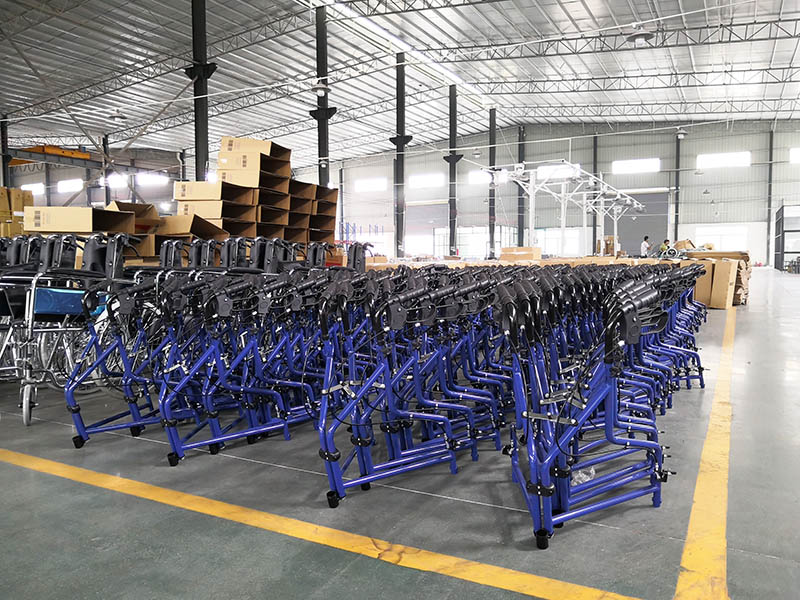
For more than a decade, Dongguan Merlix Chair Co., Ltd. has established itself as an industry-leading manufacturer and exporter of comprehensive rehabilitation systems and orthopedic mobility aids. Certified globally with ISO, CE, and SFDA (NMPA) credentials, we maintain a complete in-house manufacturing ecosystem in Dongguan, the world's most robust manufacturing hub. Our design philosophy prioritizes safety, ergonomic science, and structural longevity, offering a deep range of mobility gear, hospital beds, and clinical diagnostics equipment.
A comprehensive approach to healthcare logistics requires separating accessibility equipment into primary operational domains. Understanding these categories is essential for procurement officers, medical distributors, and facility managers when evaluating suppliers:
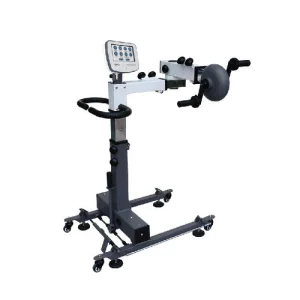
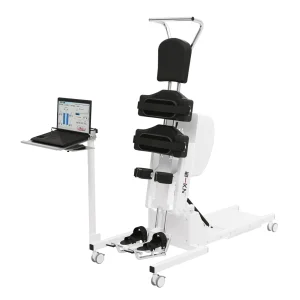
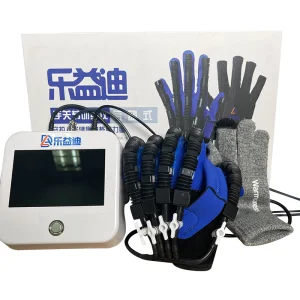
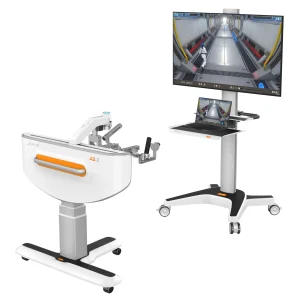
High-end therapeutic devices designed for clinical rehabilitation units focus on active motor function recovery. These devices, such as customized lower limb walking systems and post-stroke hand therapy units, utilize biofeedback, gait training mechanisms, and customizable resistance parameters to facilitate neurological adaptation. Investing in high-precision clinical equipment minimizes patient hospitalization times and improves functional outcomes.
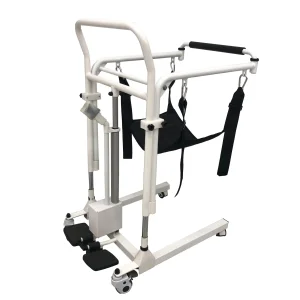
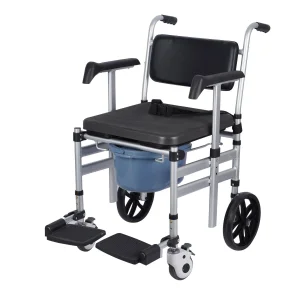
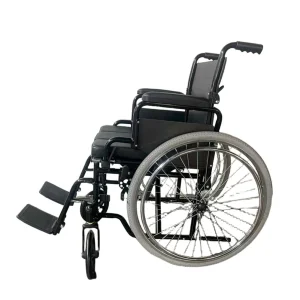
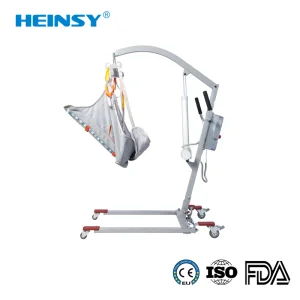
Transfer injuries remain the primary cause of musculoskeletal disorders among nurses and home caregivers. Active transfer equipment, such as heavy-duty patient bath lifts, mobile slings, and heavy-duty commode wheelchairs, provide stable, controlled mobility. Utilizing carbon steel and reinforced aluminum frames ensures safety for bariatric patients, mitigating mechanical failure risks in heavy-duty environments.
For outpatient care and geriatric settings, independence in Activities of Daily Living (ADLs) is critical. This category includes bathroom safety assists, adjustable commode frames, and modular walking aids. Through smart material selections, such as anti-microbial rubbers and anodized non-corrosive alloys, these products are designed to survive the humid, chemical-laden environments of institutional sanitation rooms.
The convergence of material science, digital sensors, and structural engineering is redefining the capabilities of accessibility equipment. Dongguan Merlix Chair Co., Ltd. continuously updates its manufacturing designs to align with the technological progress of healthcare integration:
Utilizing high-tensile 6000-series aluminum and carbon fiber reinforcement to minimize the deadweight of manual wheelchairs and rollators, facilitating easier manual handling without sacrificing load-bearing capacity.
Integrating pressure sensors, gyroscopes, and Bluetooth telemetry into gait-training and rehabilitation devices. This allows physical therapists to monitor patient load-bearing data remotely and adjust rehabilitation plans dynamically.
Transitioning from passive mechanical orthoses to powered robotic assistive devices that active-assist patient movement patterns, using artificial intelligence to predict gait trajectory and prevent falls.
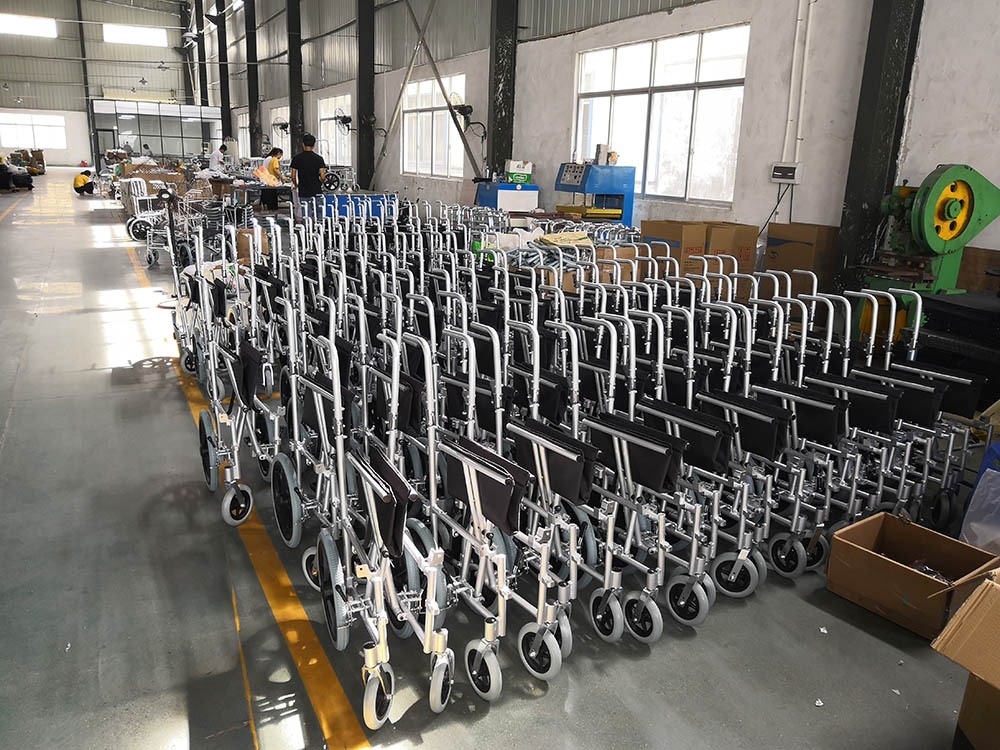
The global medical supply chain demands absolute dependability, prompt lead times, and rigorous quality control. Operating from Dongguan gives our company a distinct geographic and operational advantage:
Healthcare accessibility products are classified as Class I or Class II medical devices depending on their complexity. Accessing regulated markets such as North America, the European Union, and East Asia requires structural compliance:
European Union (CE - MDR Compliance): All mobility aids, patient hoists, and commodes exported to Europe must comply with the Medical Device Regulation (EU) 2017/745, which demands rigorous clinical evaluations and post-market surveillance systems.
United States (FDA Registration): Manufacturers must hold active FDA registrations and submit device listings, ensuring materials meet biocompatibility criteria (ISO 10993) and flame-retardant standards.
ISO 13485 Standards: Our factory's quality management system is audited periodically to guarantee traceability from structural raw steel batches down to individual finished products.
Key information regarding international logistics, customization capabilities, and certification protocols for medical buyers.
Explore the remainder of our global-market-certified orthopedic, surgical, and therapeutic solutions.
 Merlix Chair